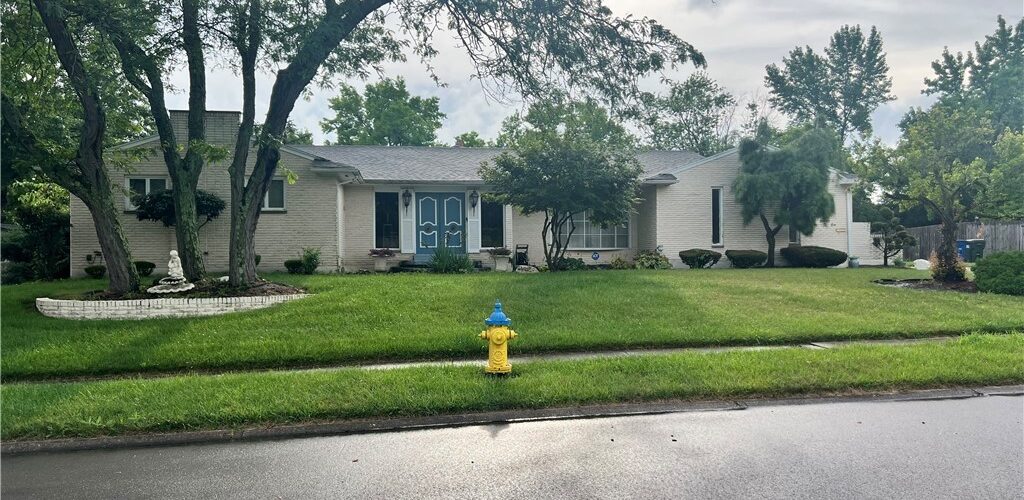
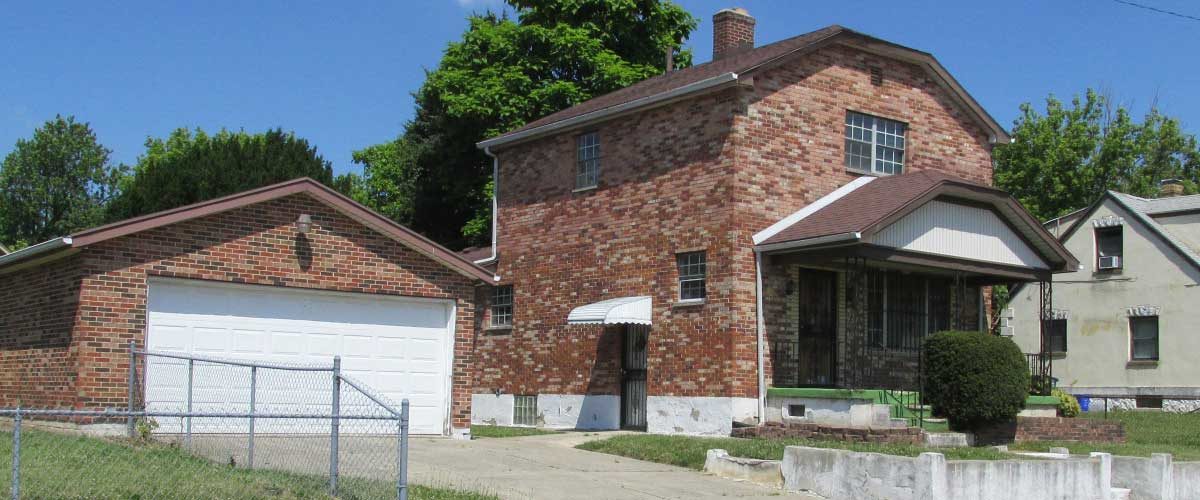
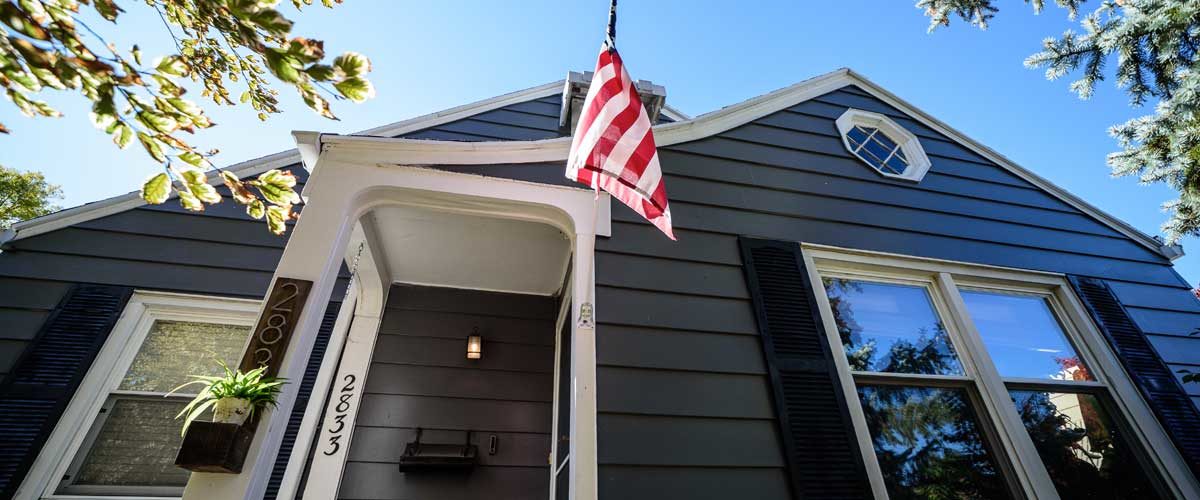
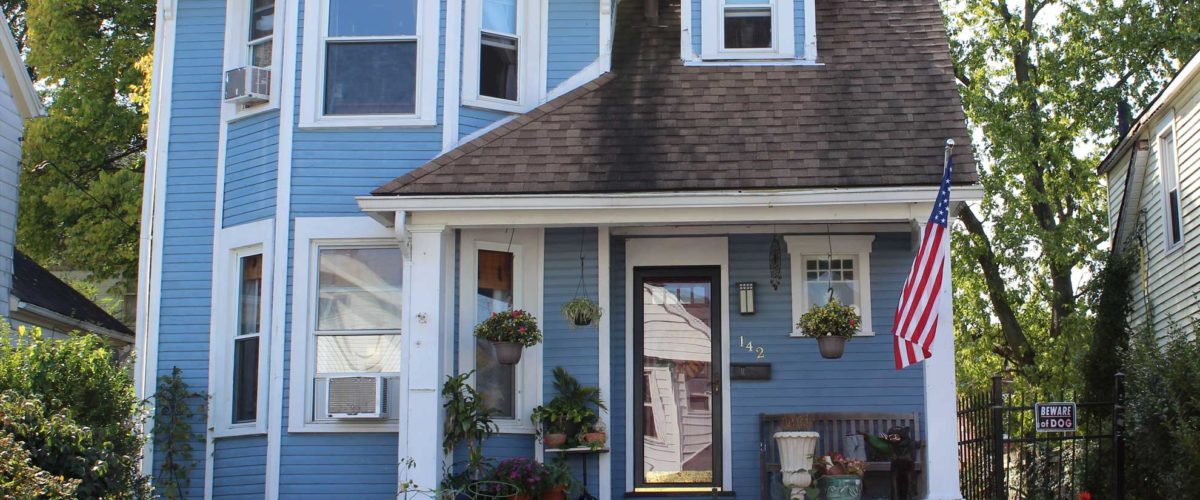
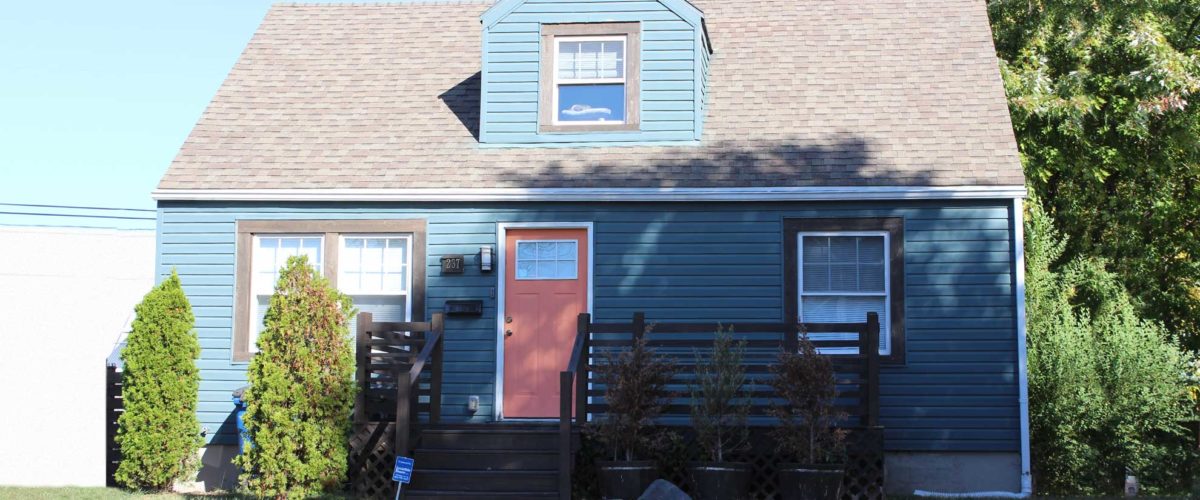
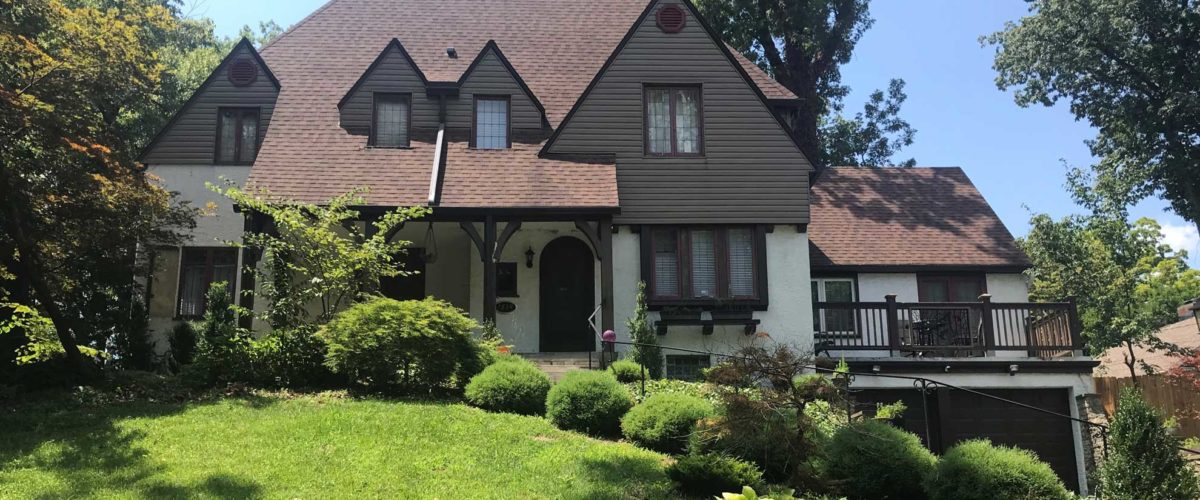
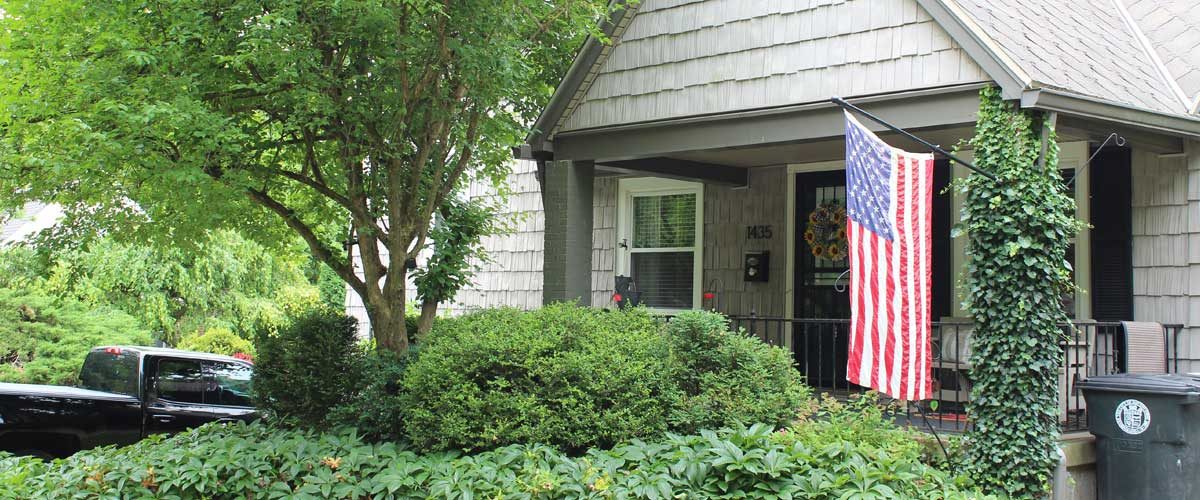
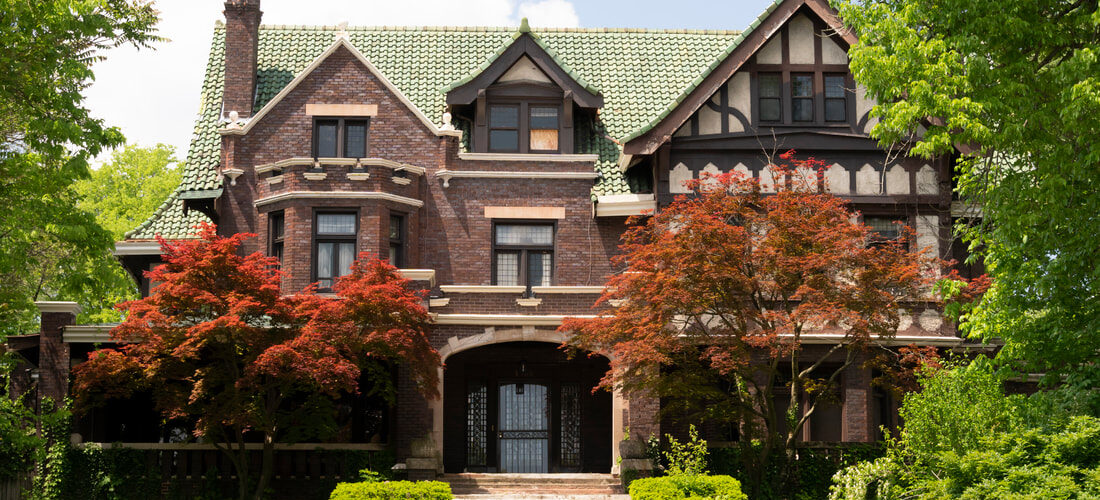
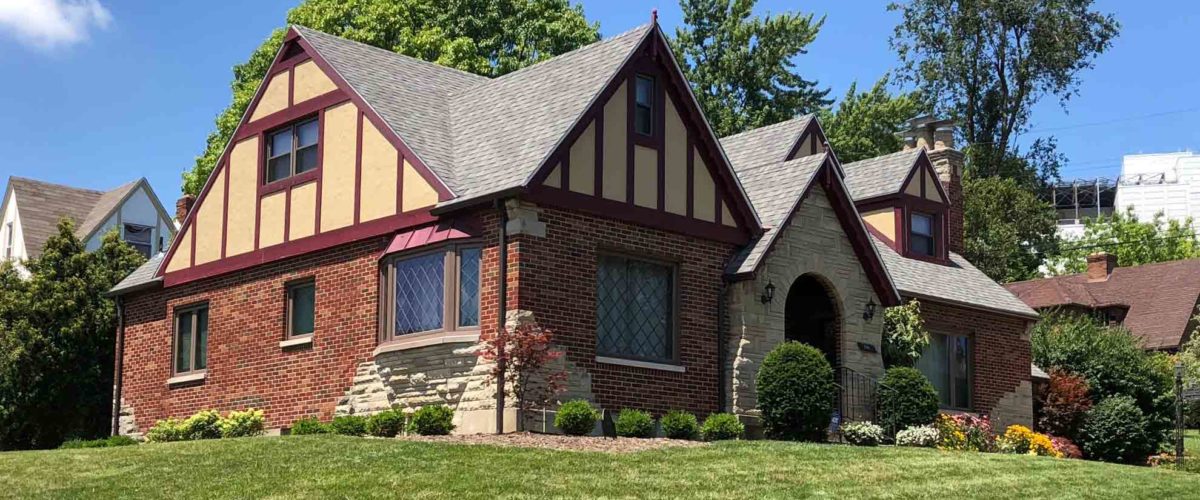
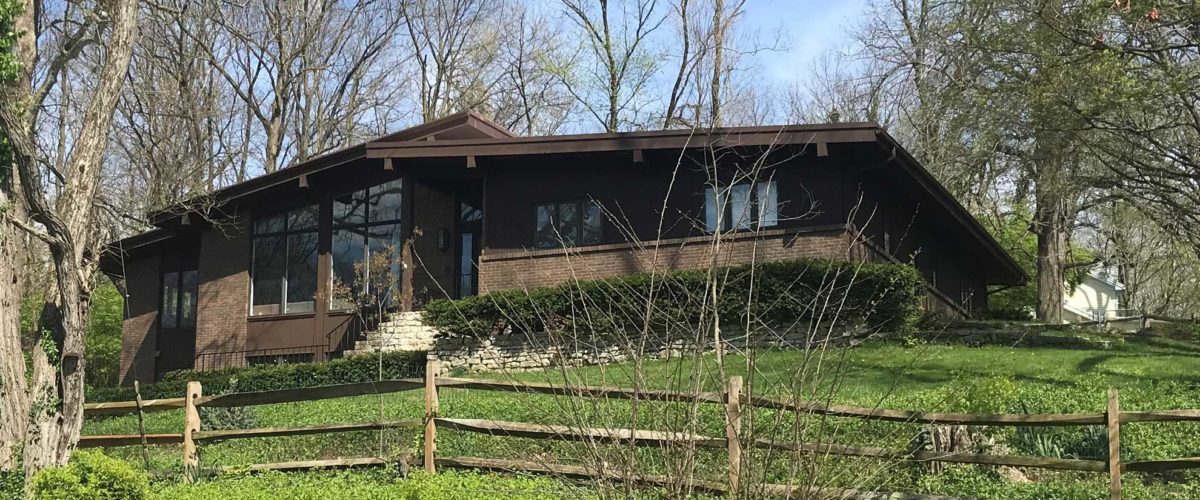
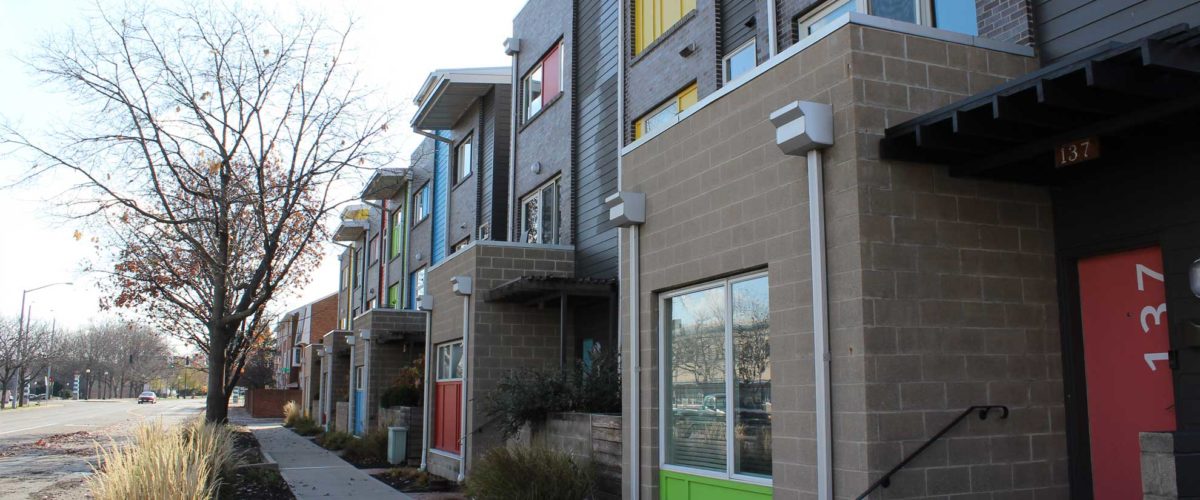
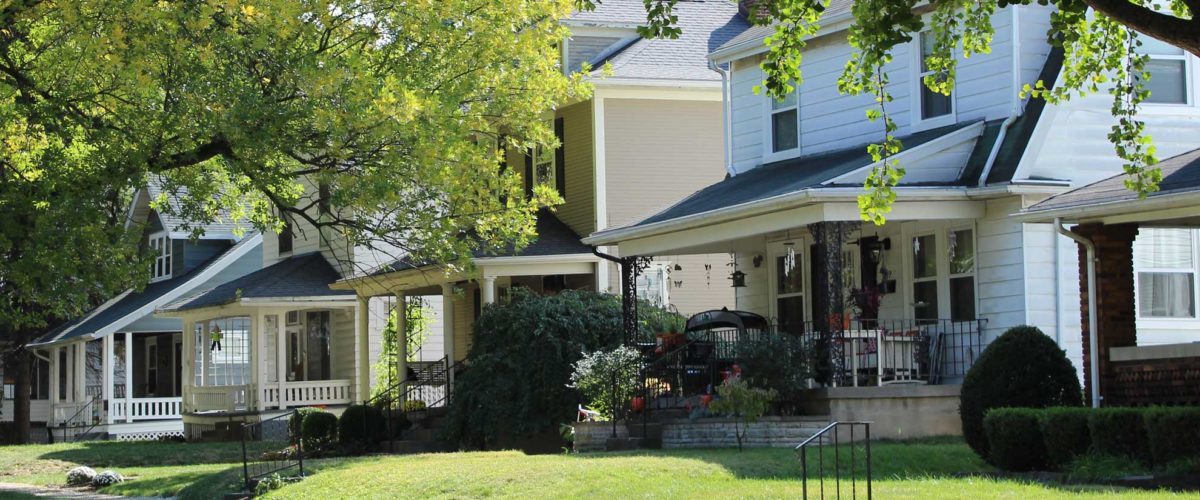
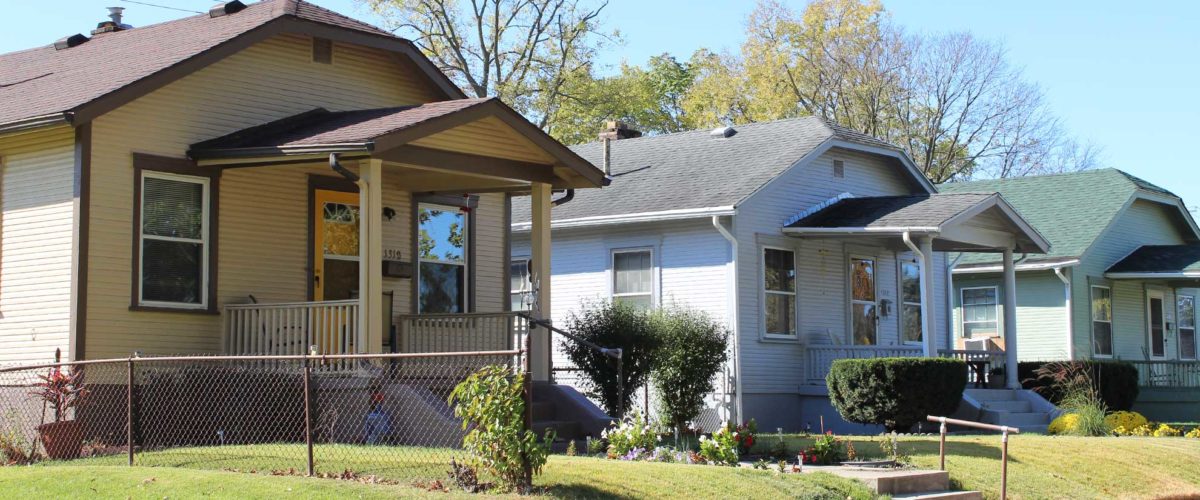
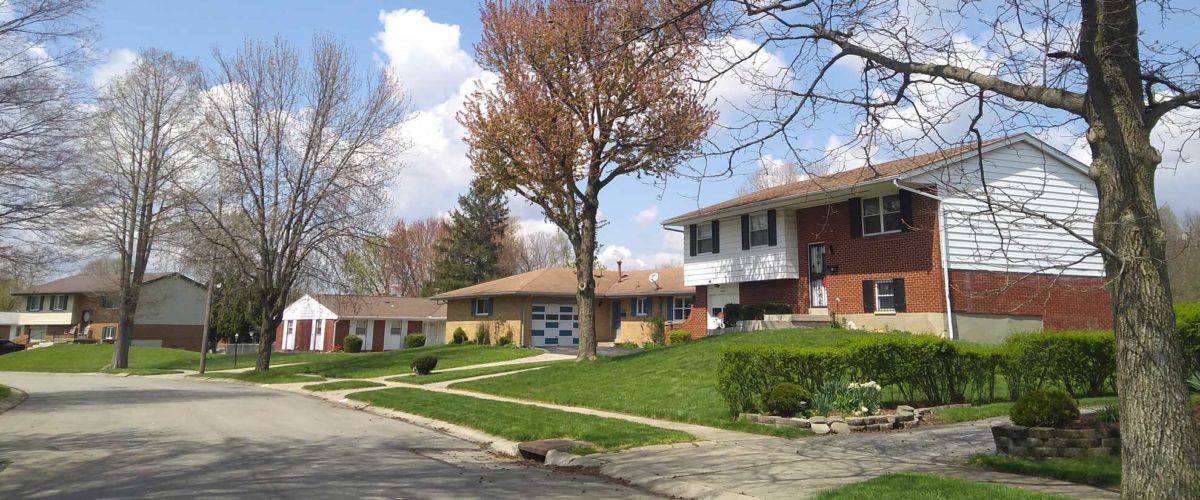
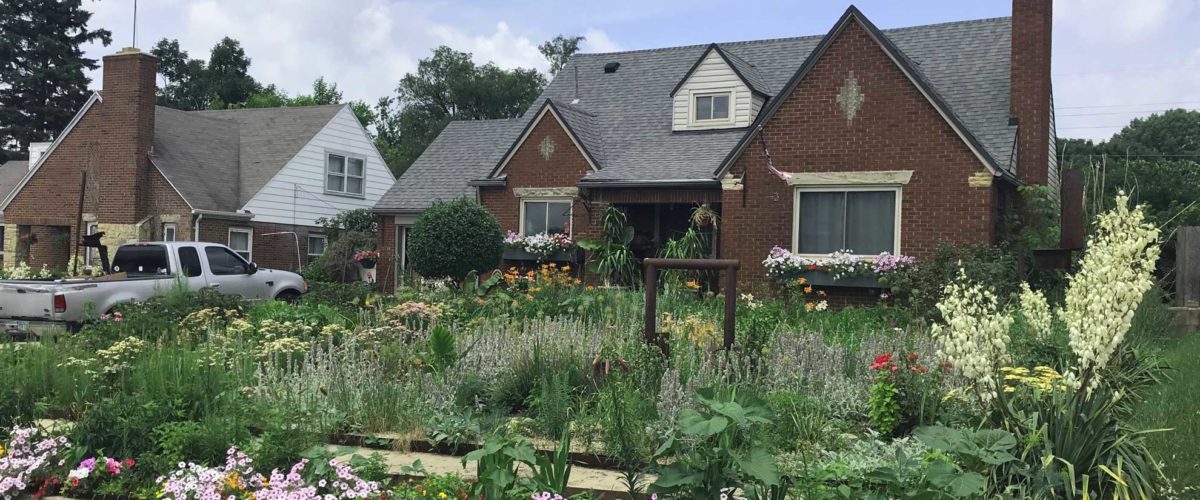
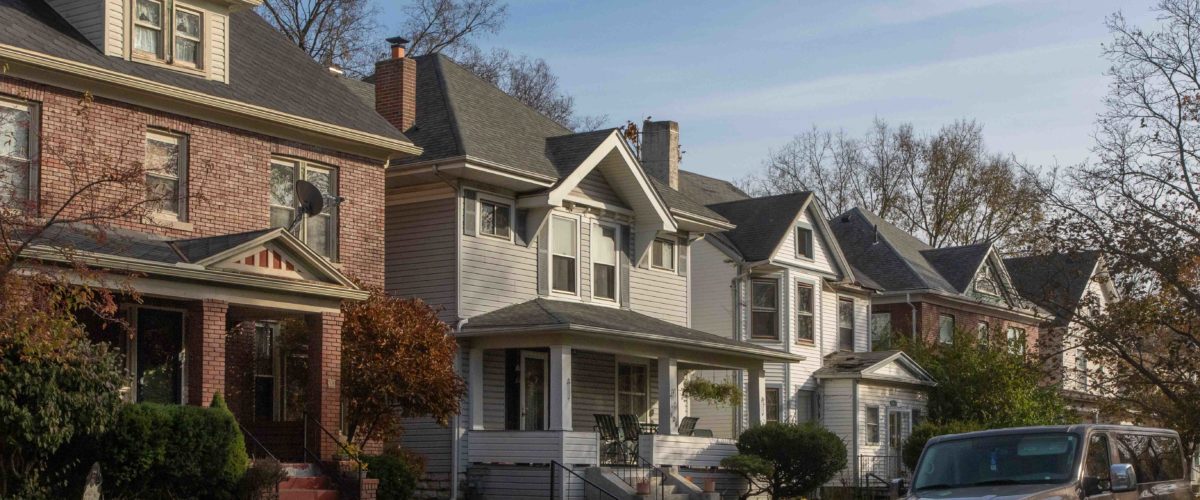
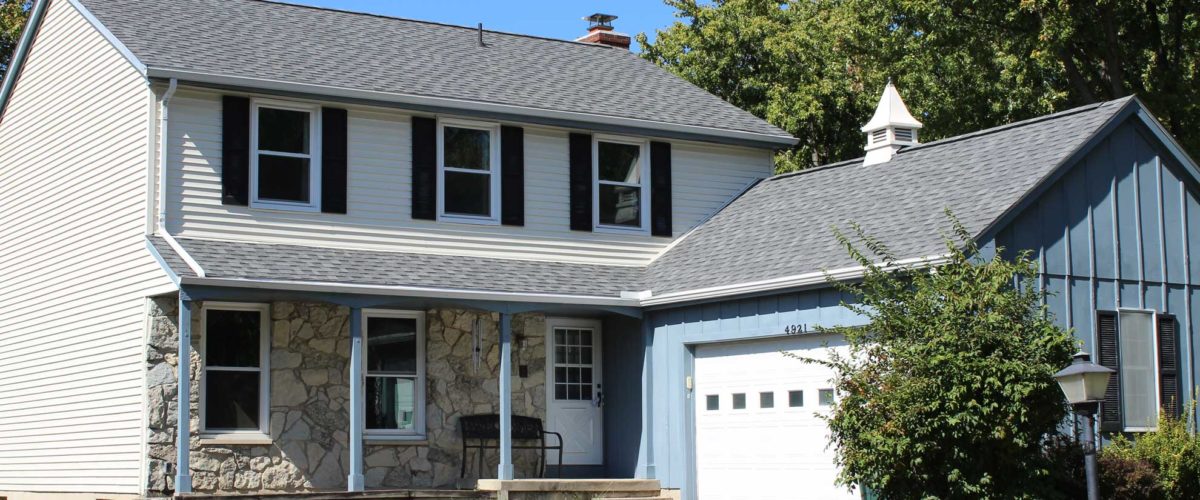
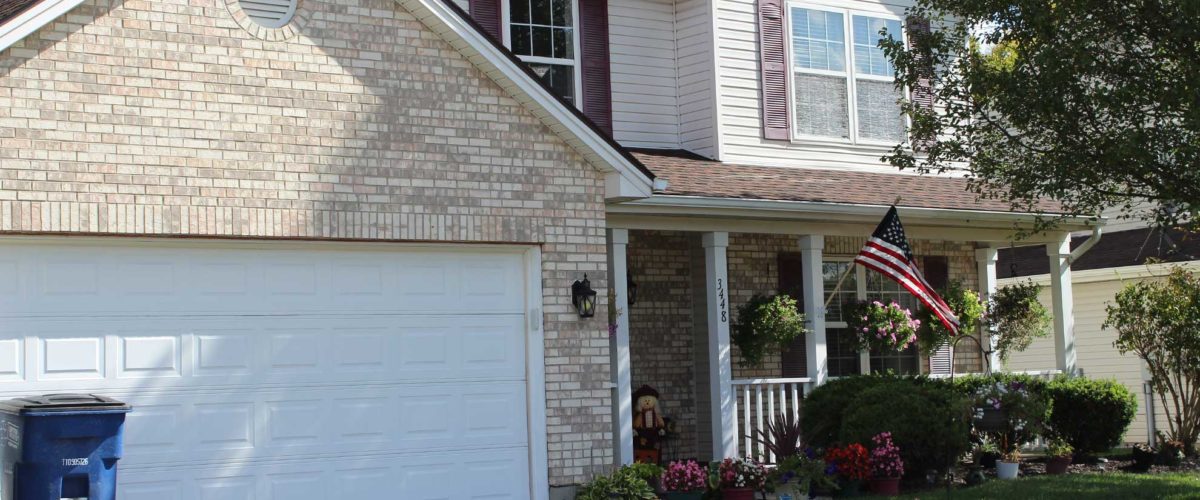
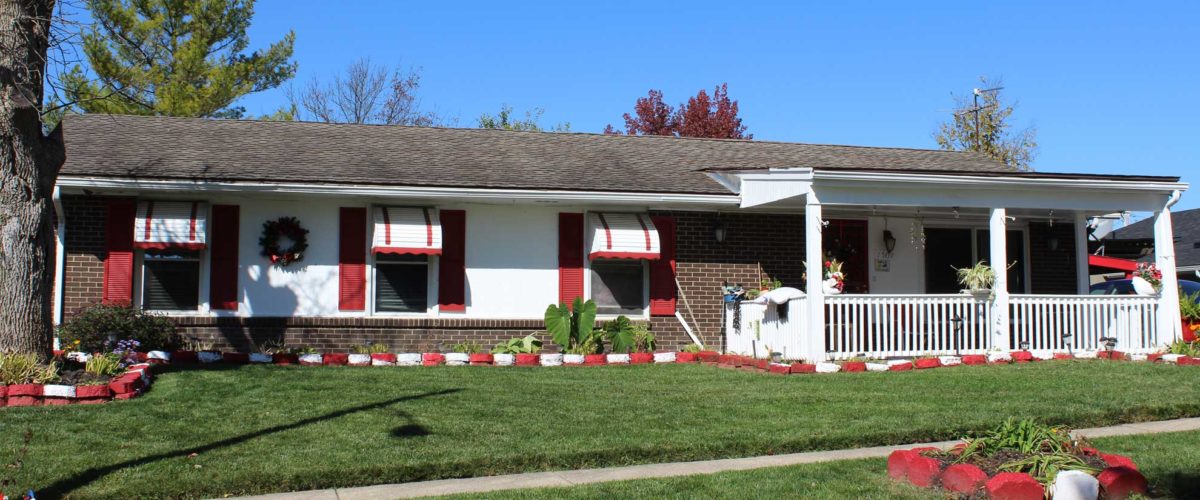
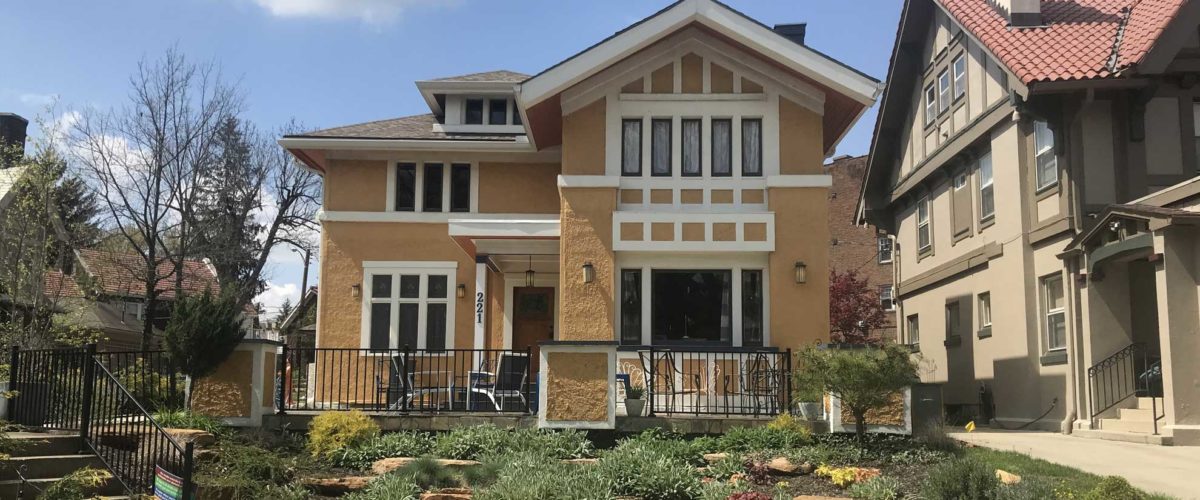
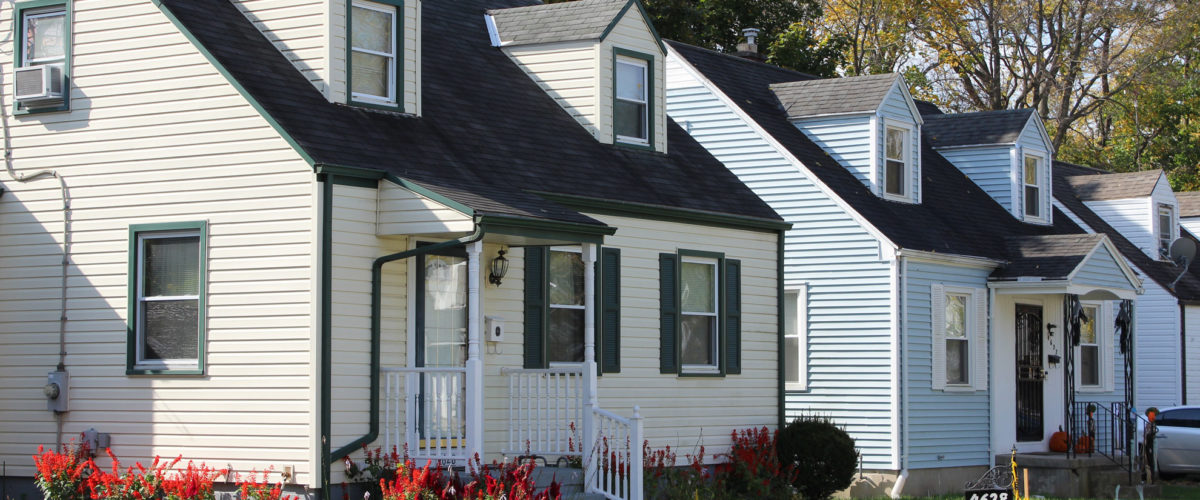
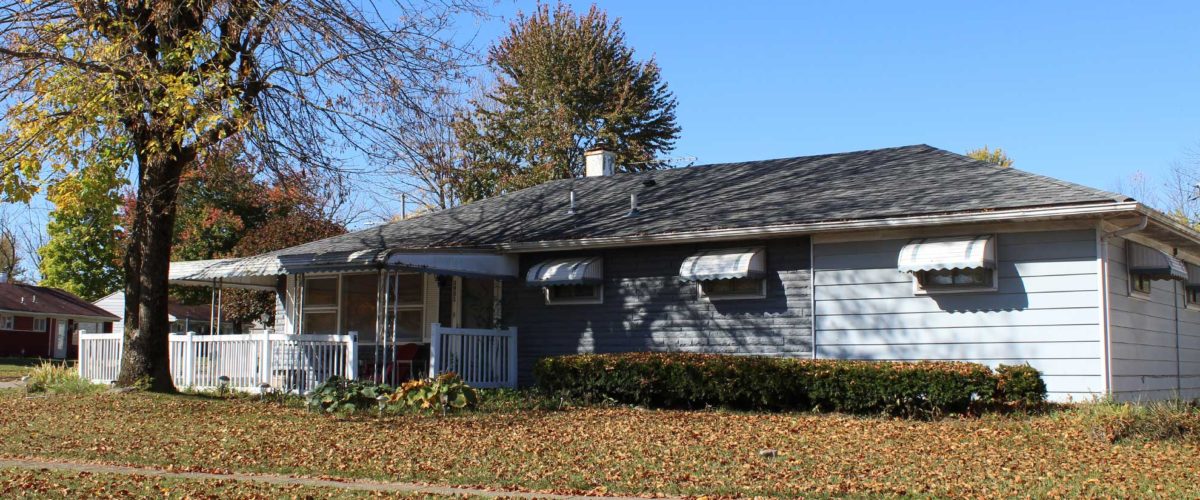
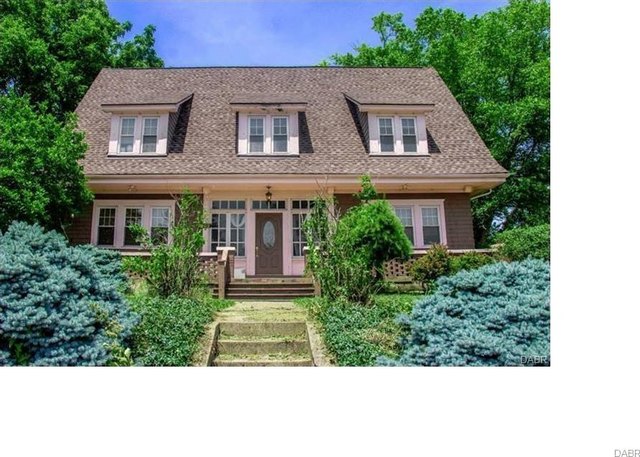
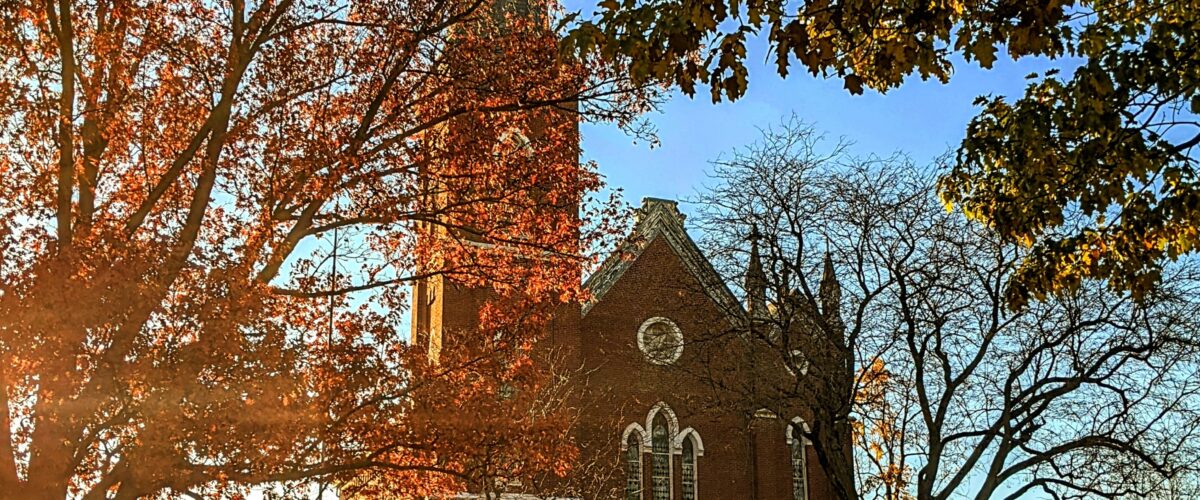
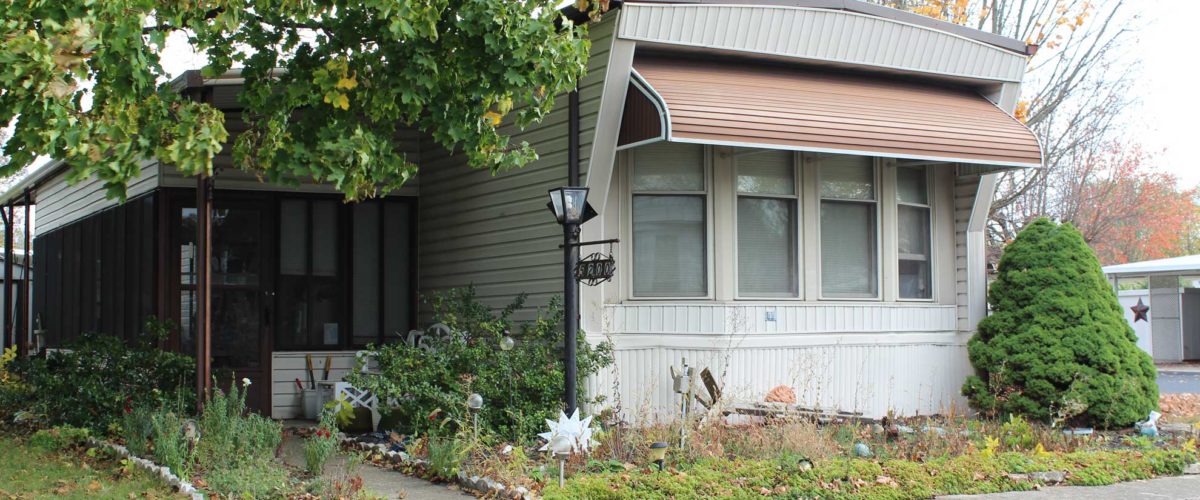
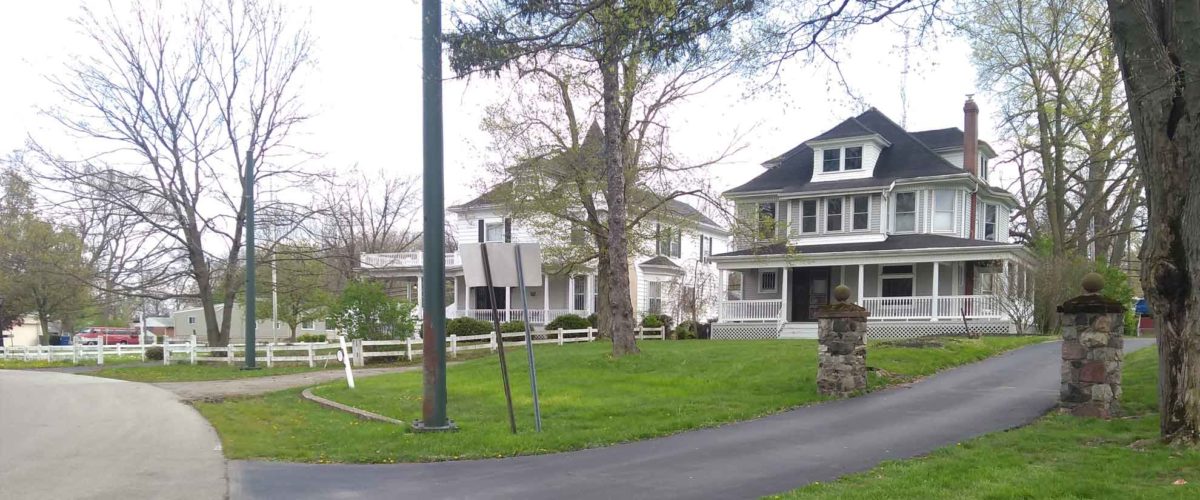
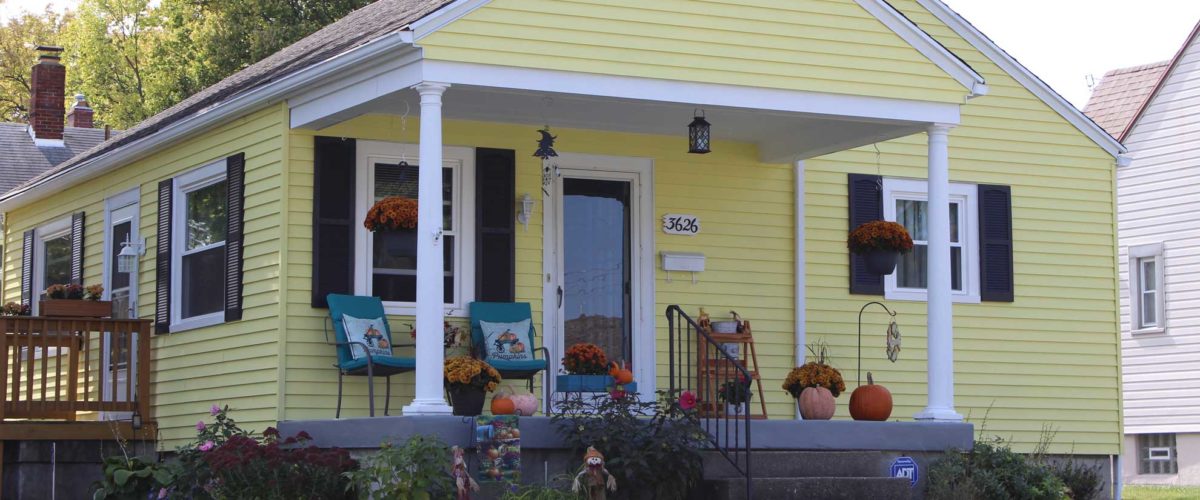
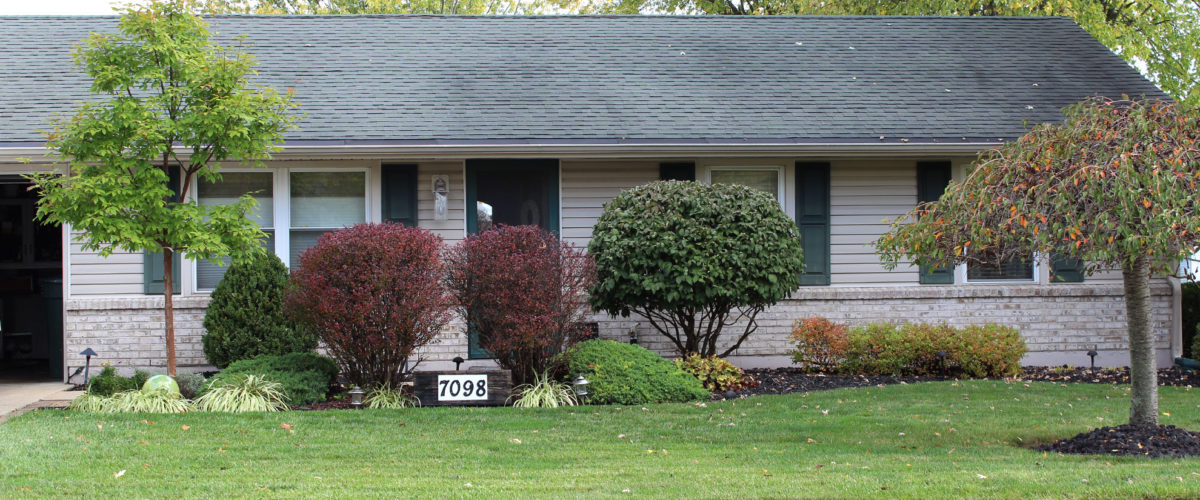
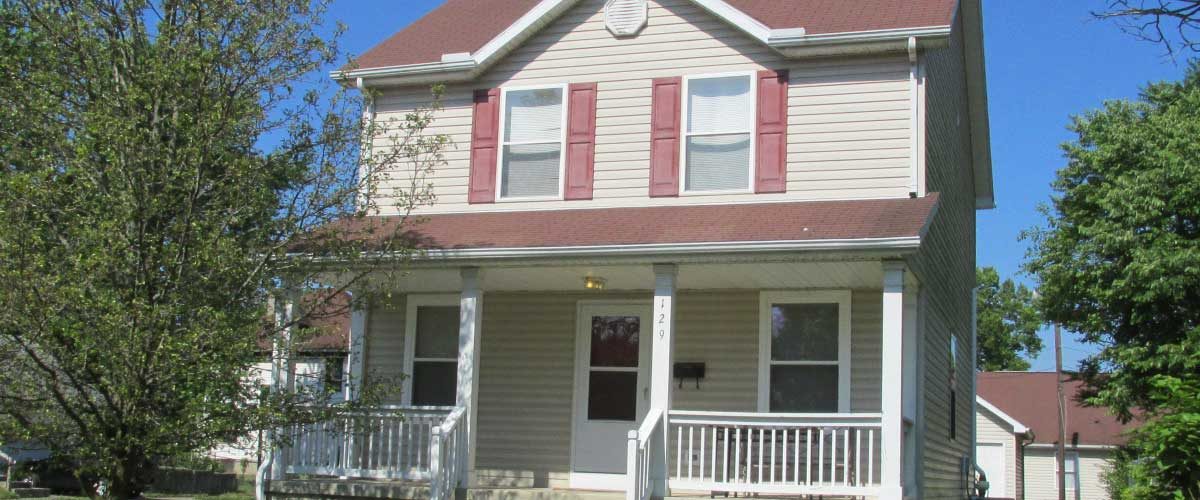
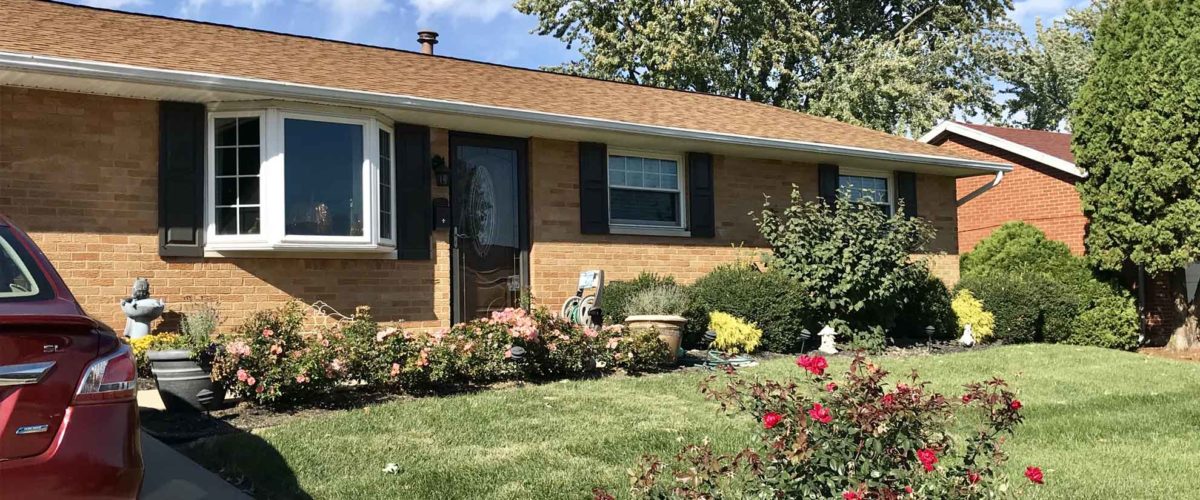
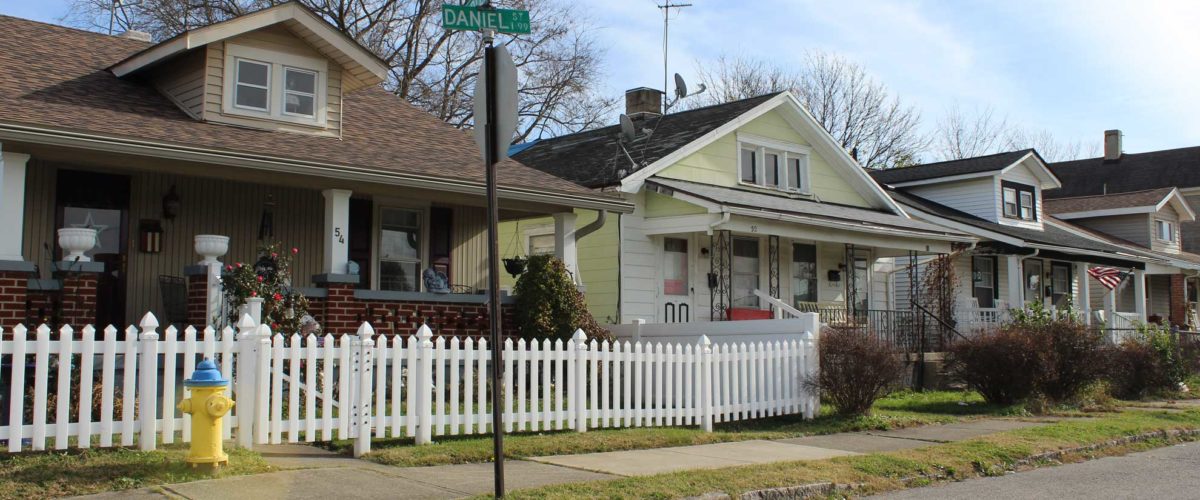
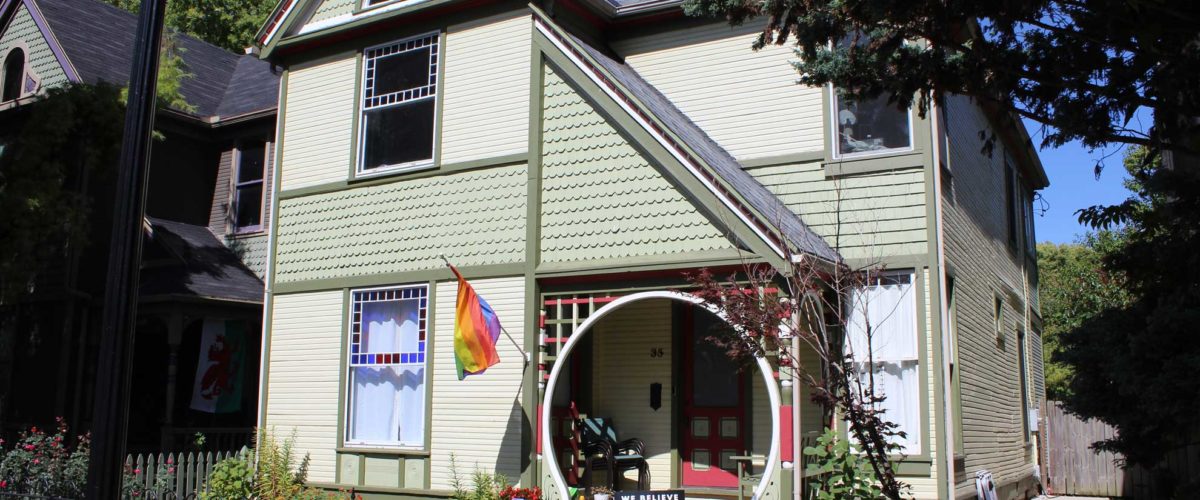
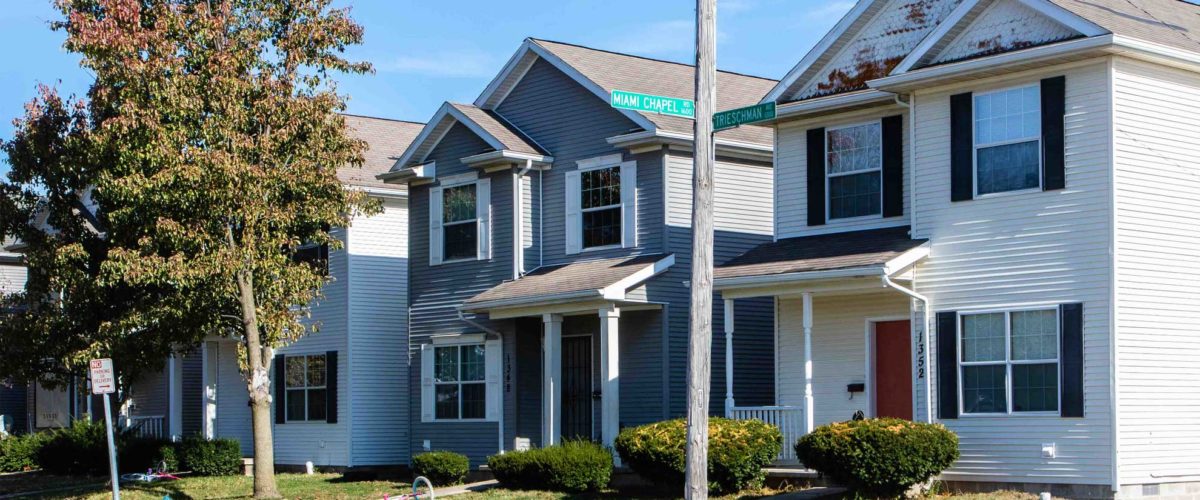
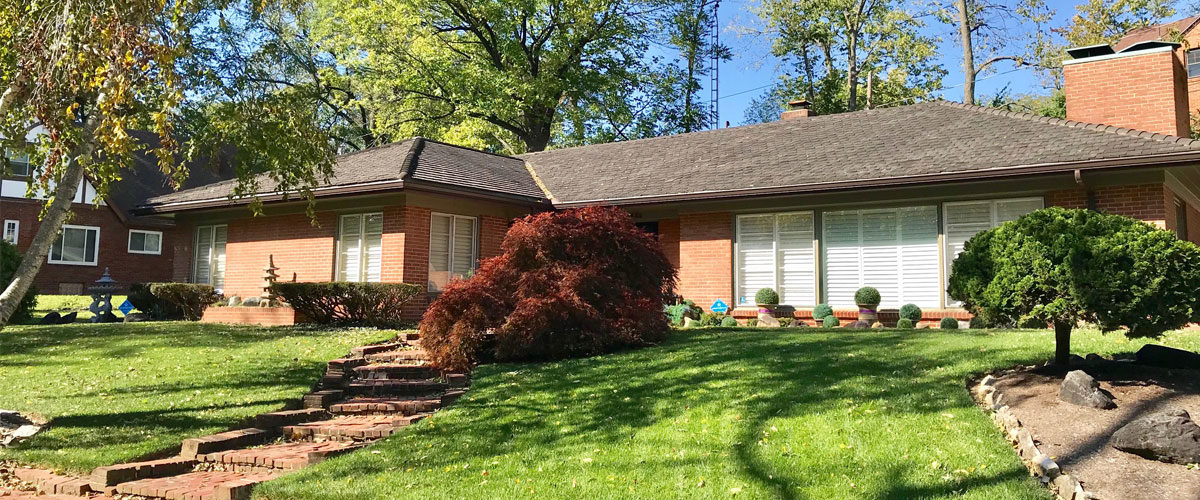
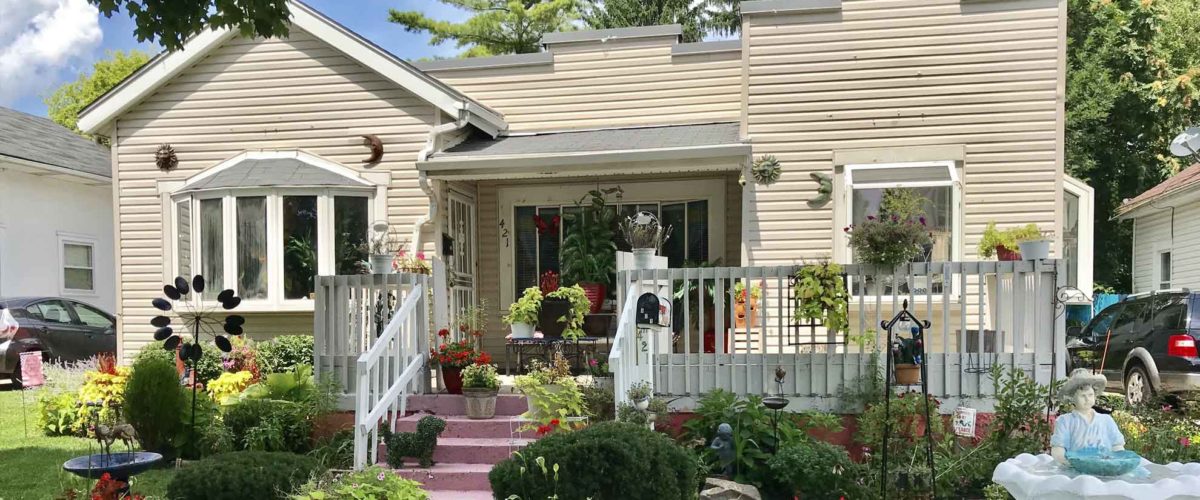
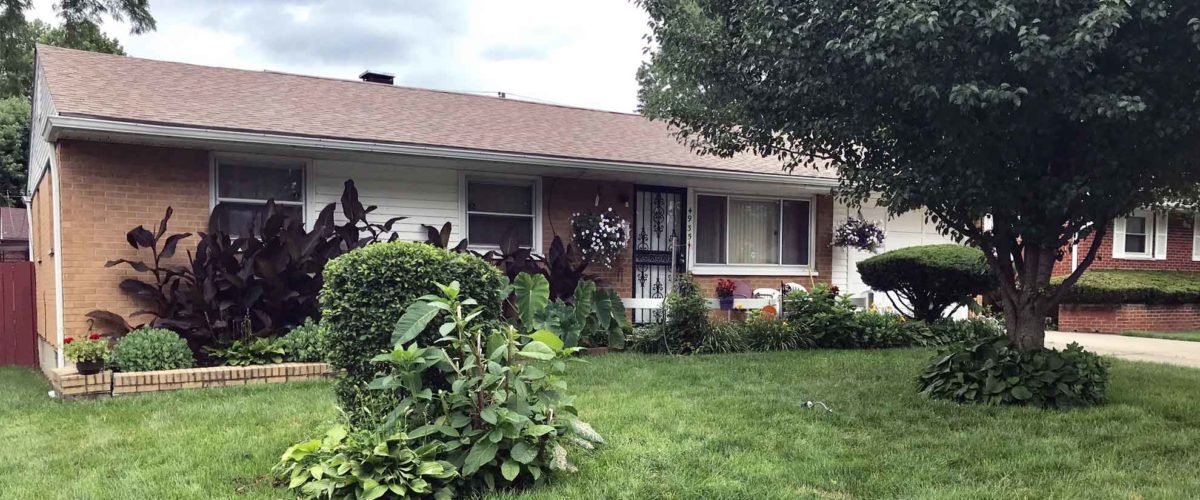
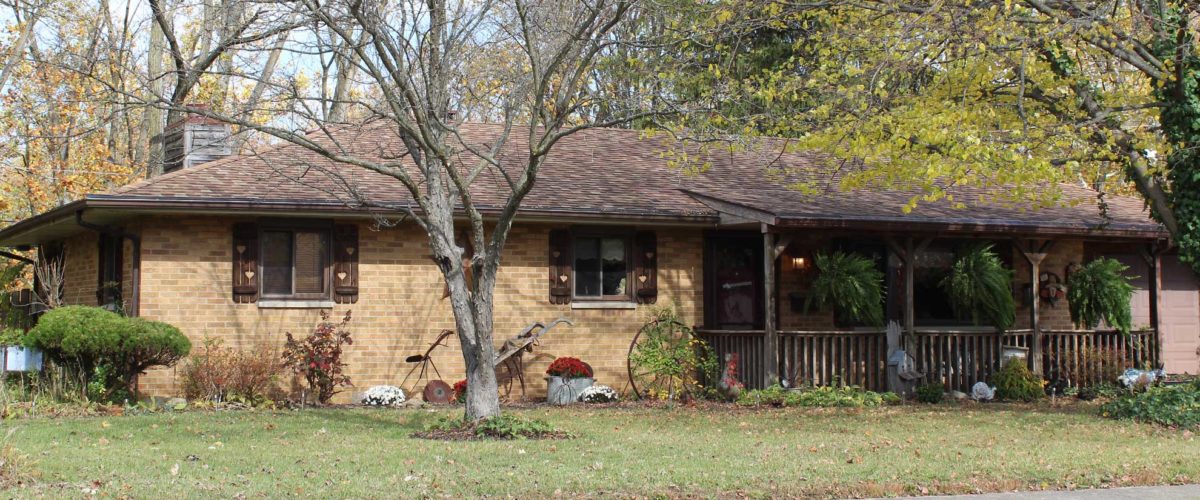
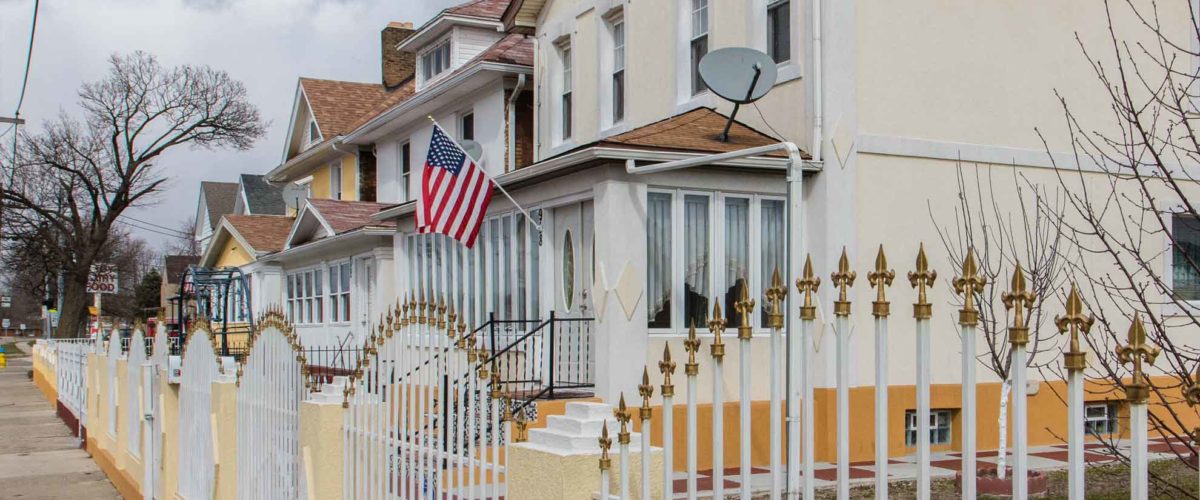
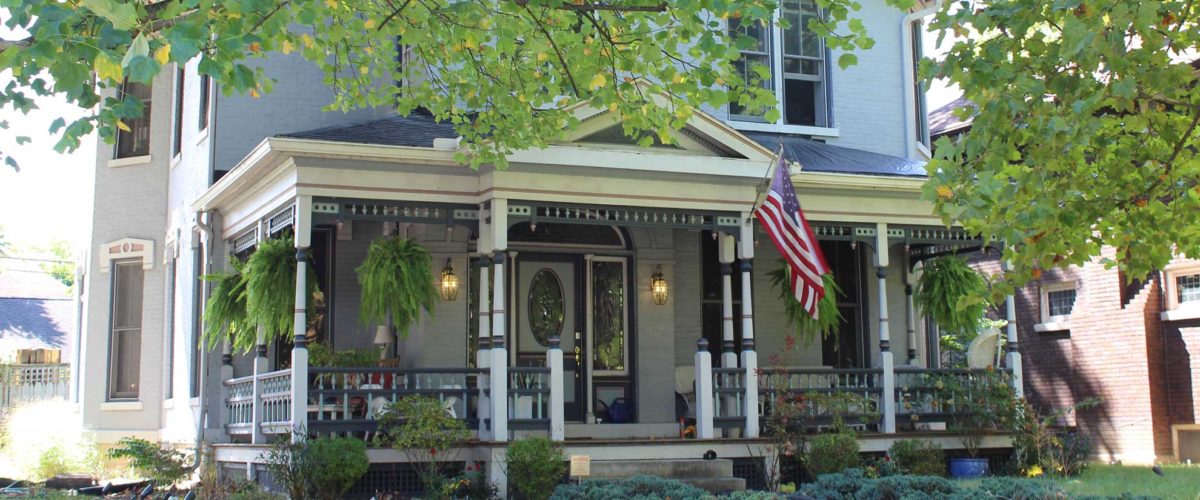
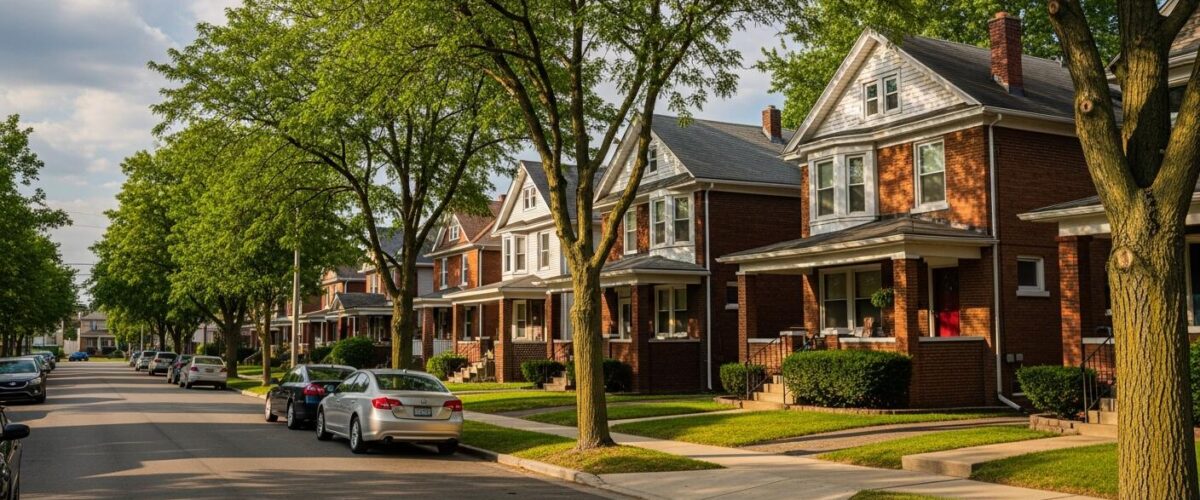
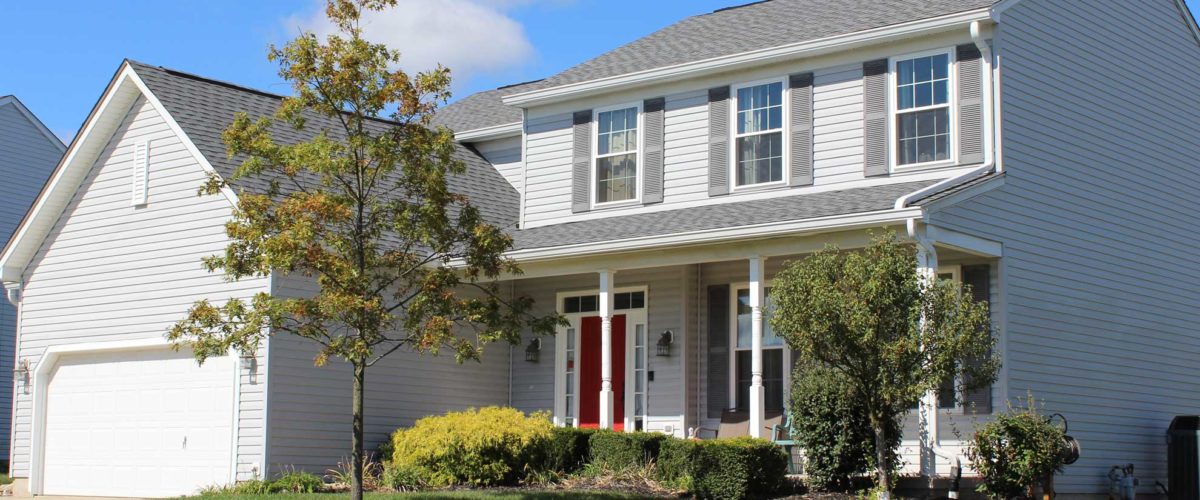
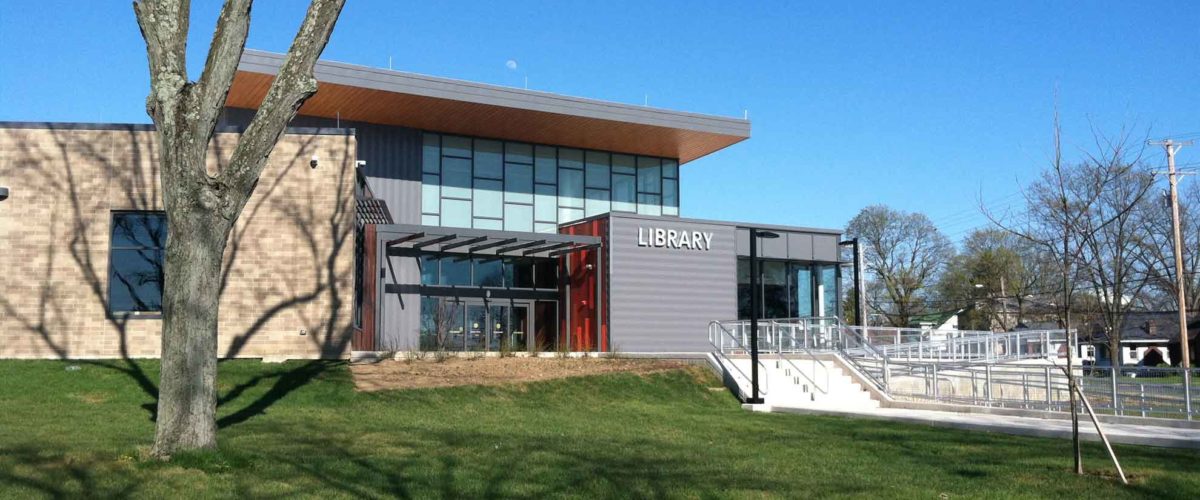
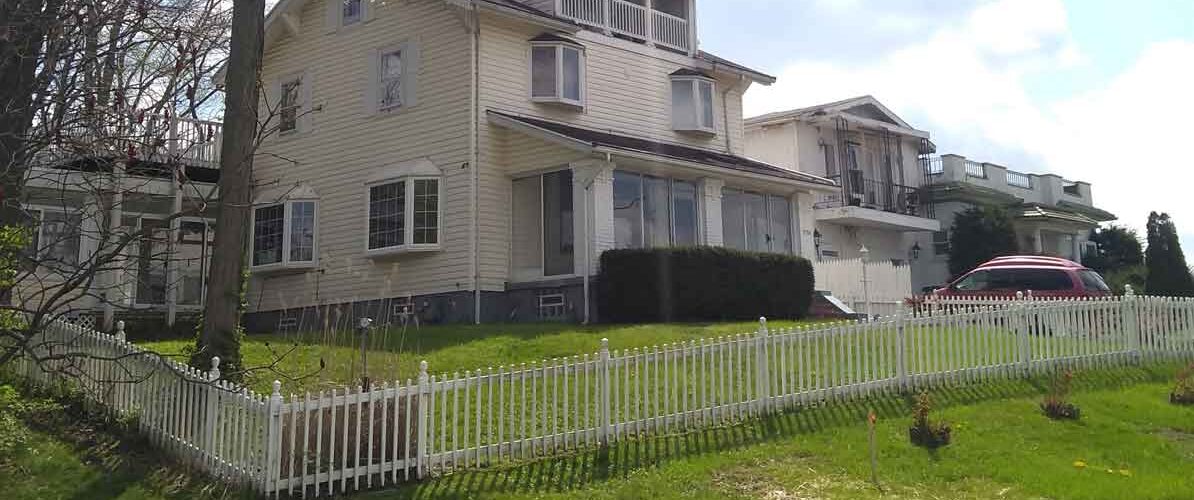
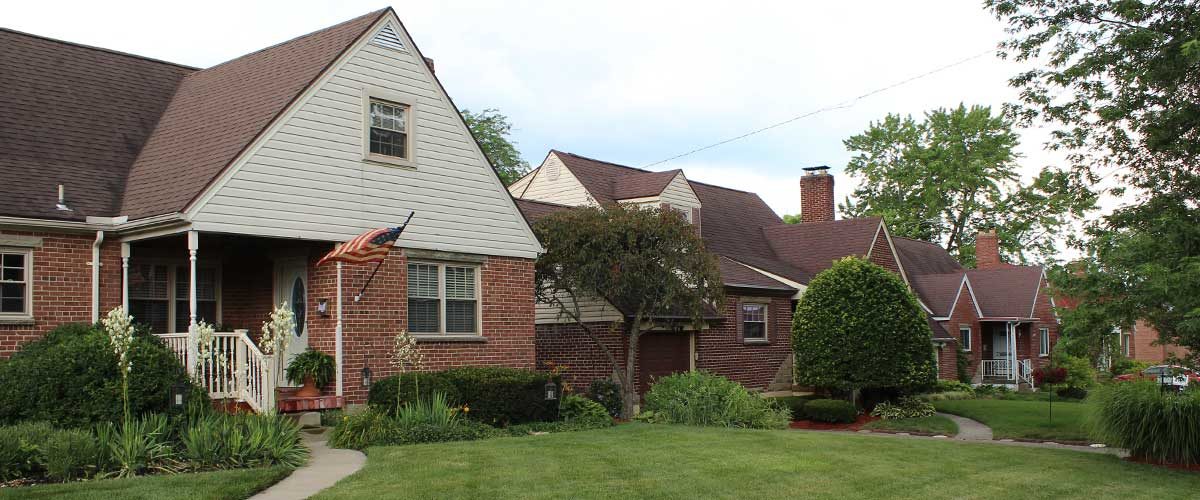
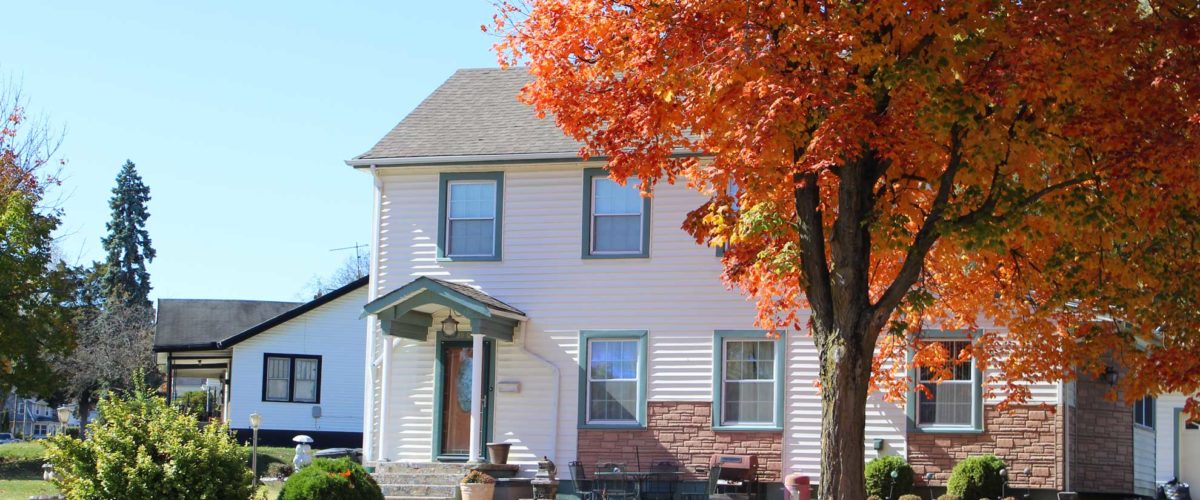
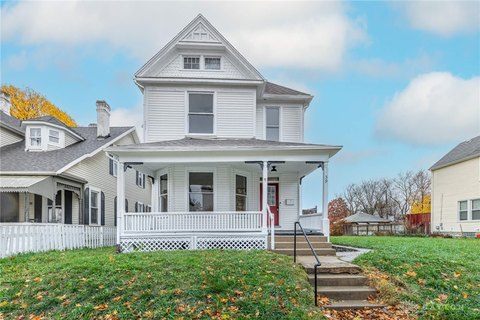
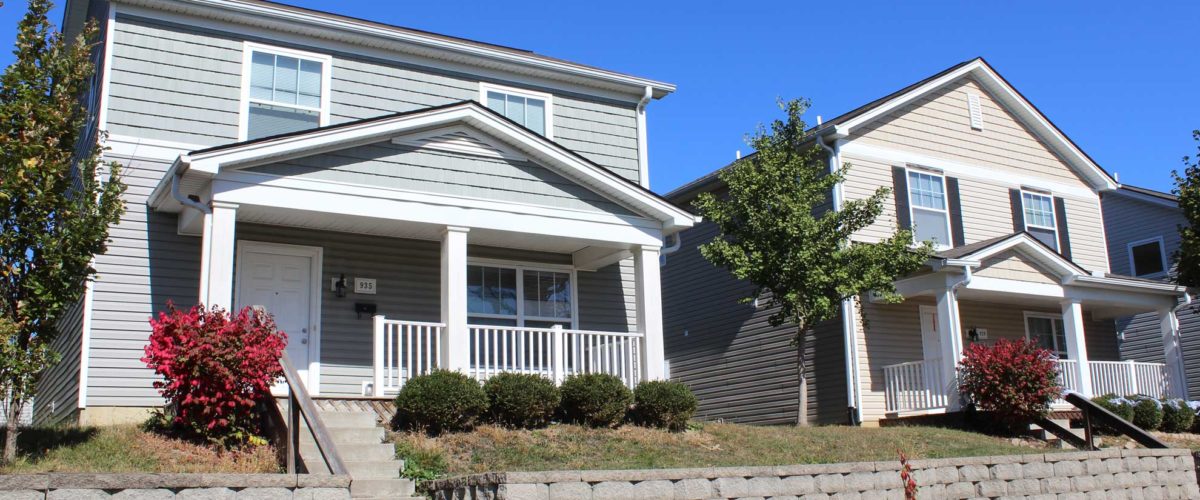
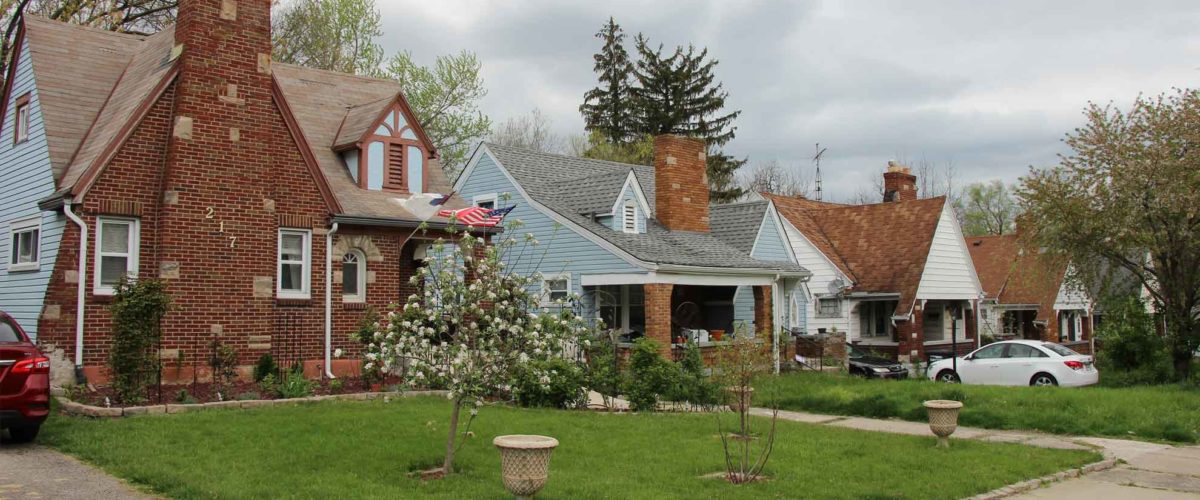
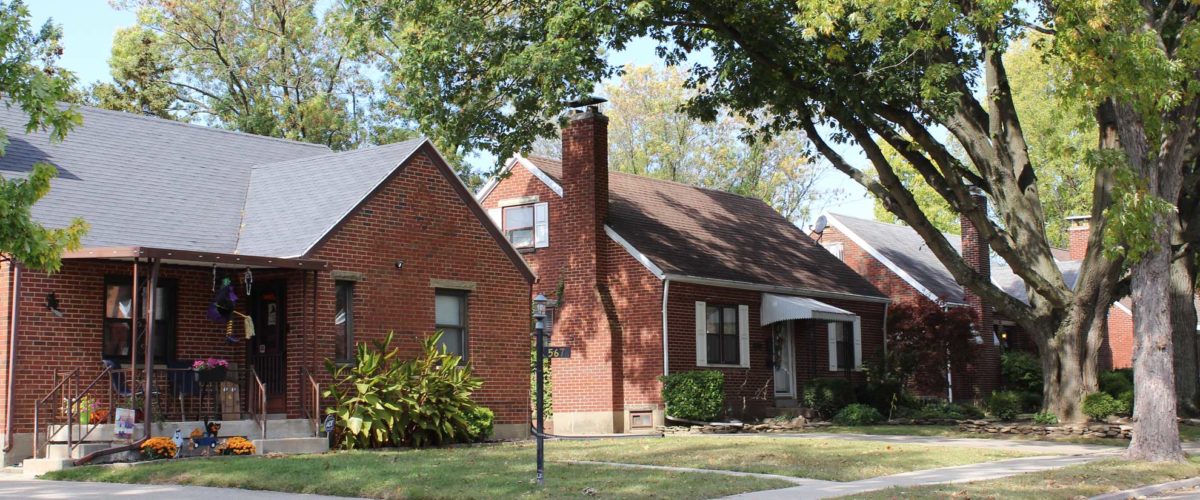
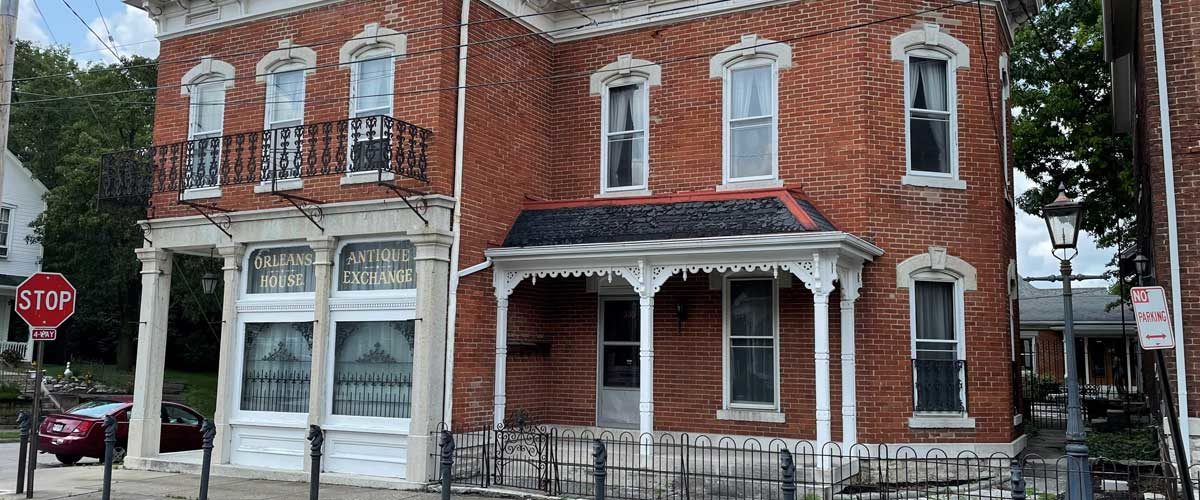
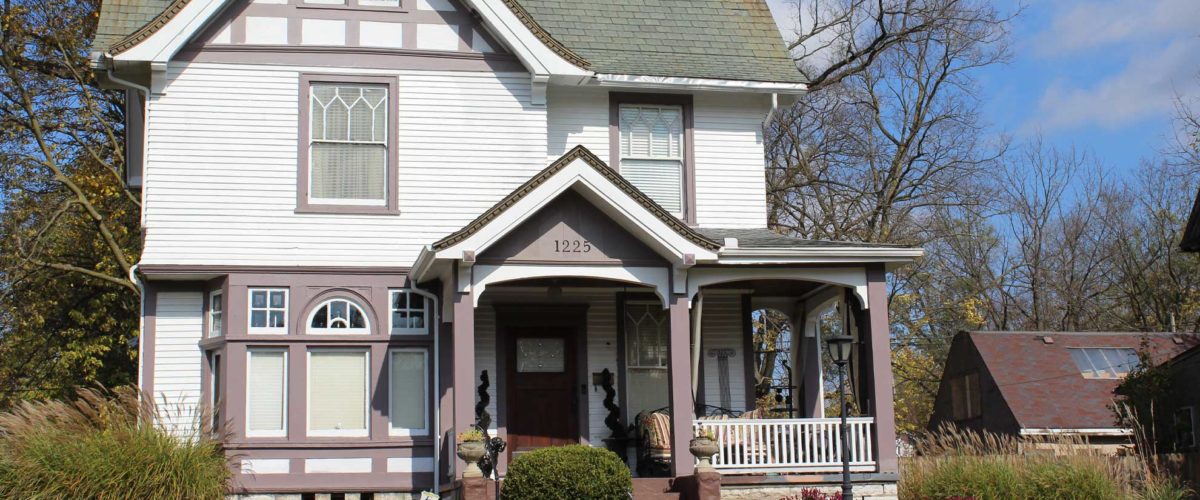
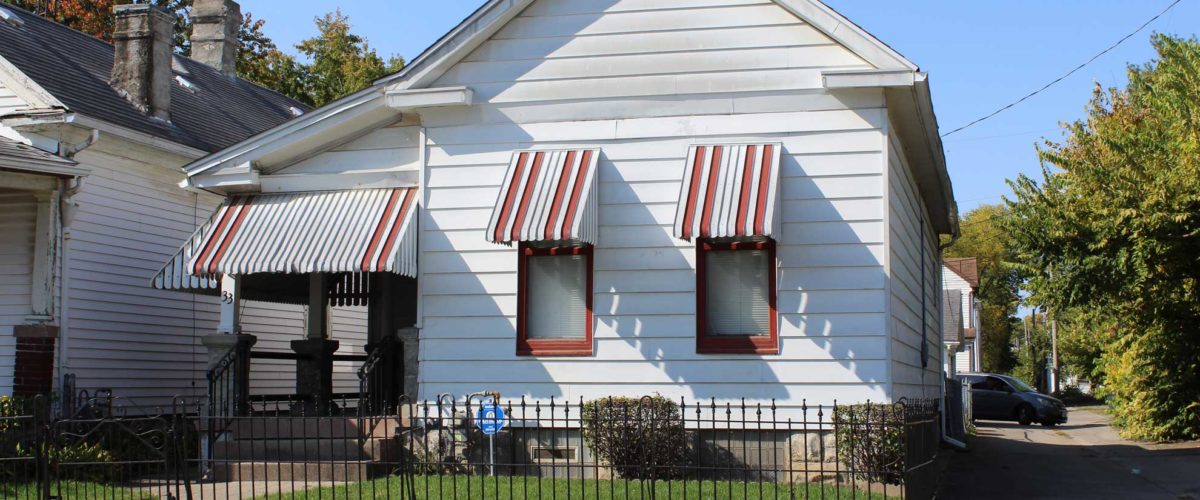
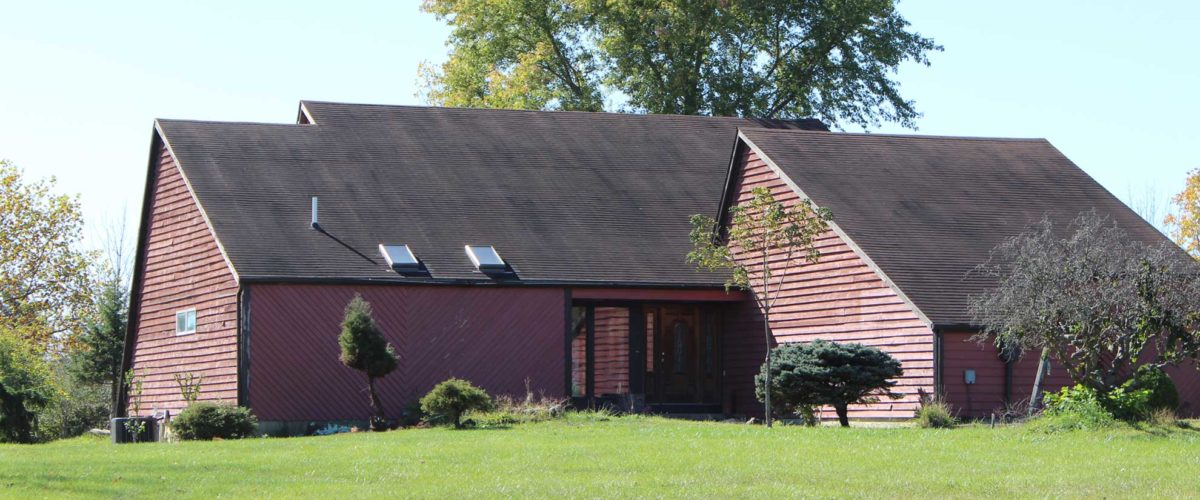
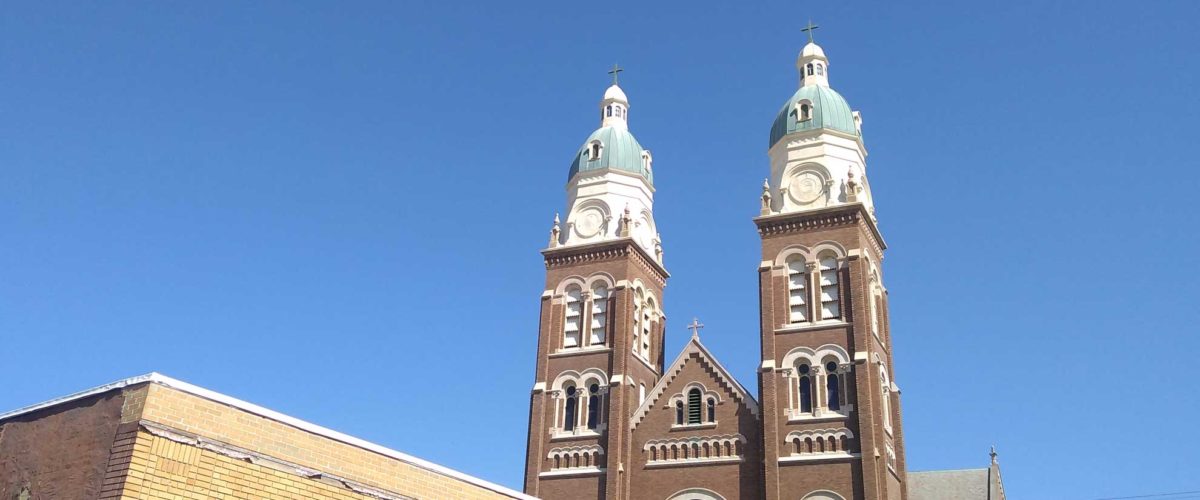
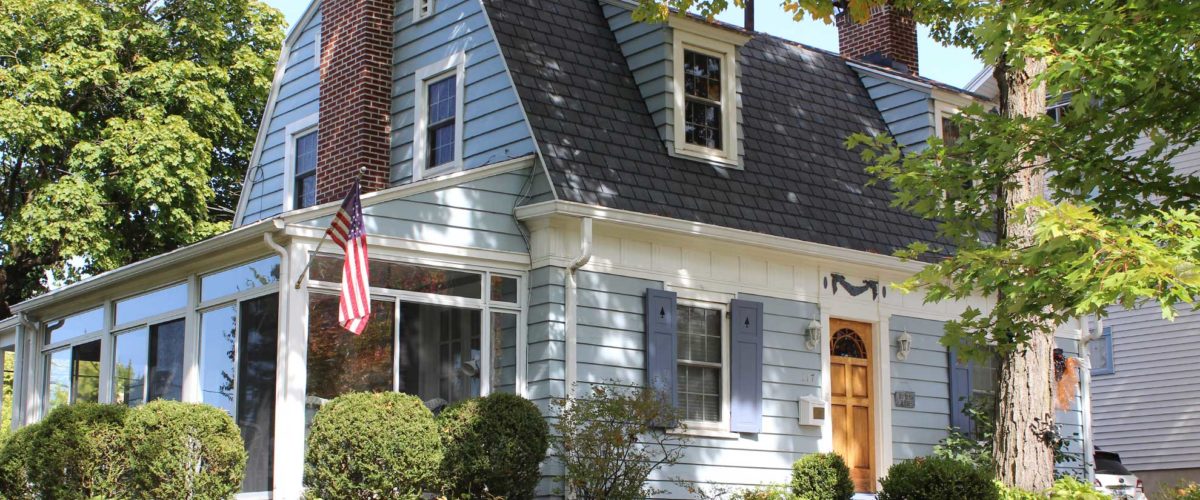
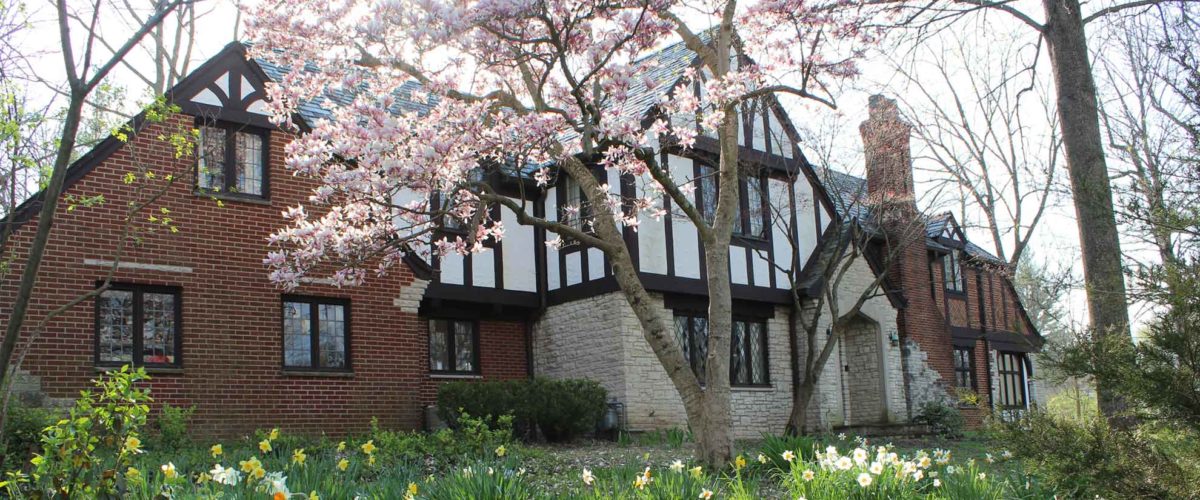
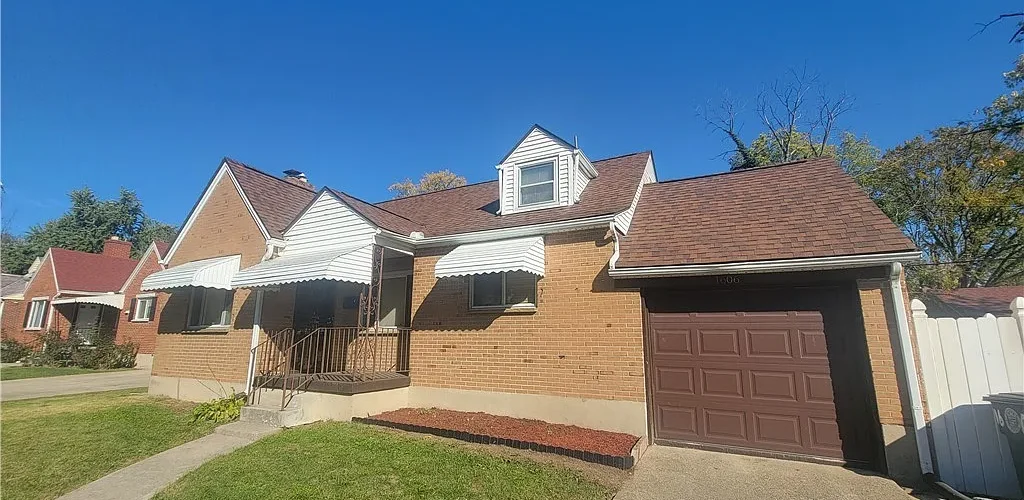
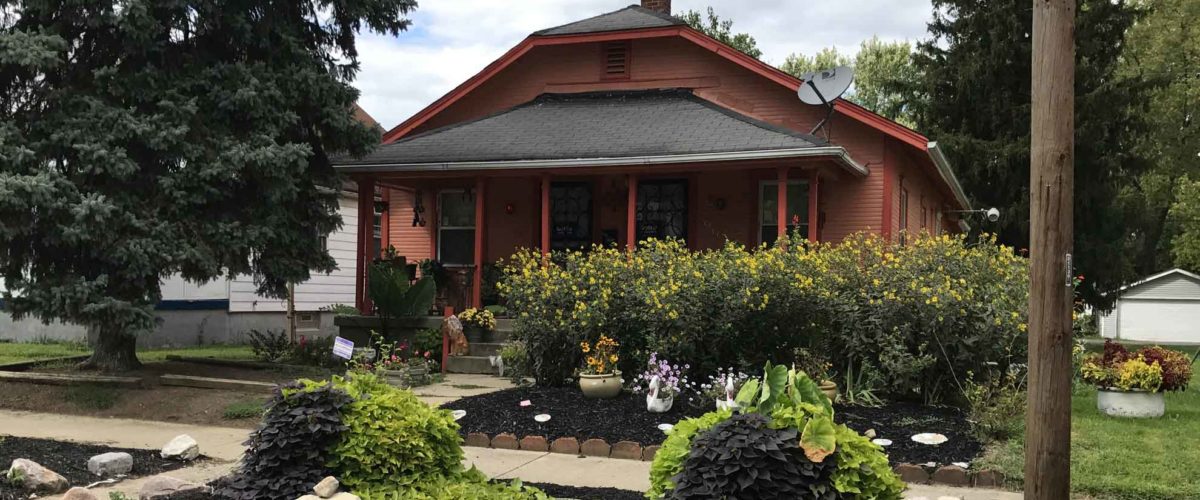
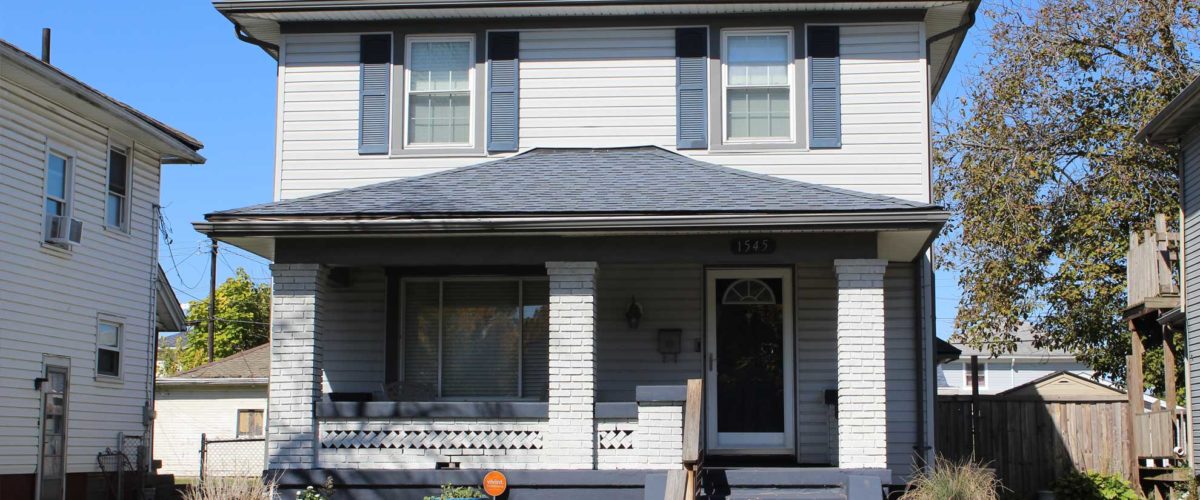
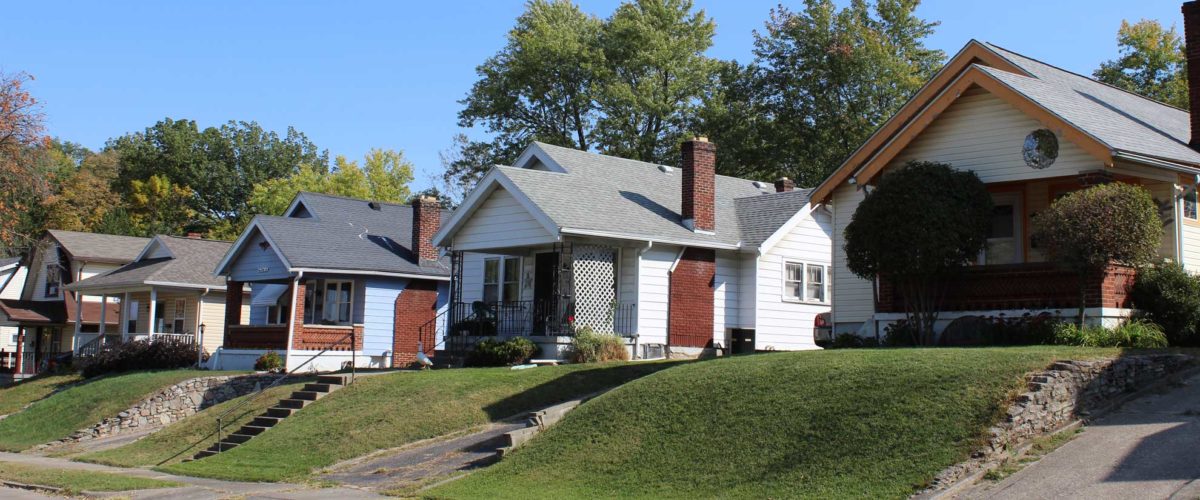
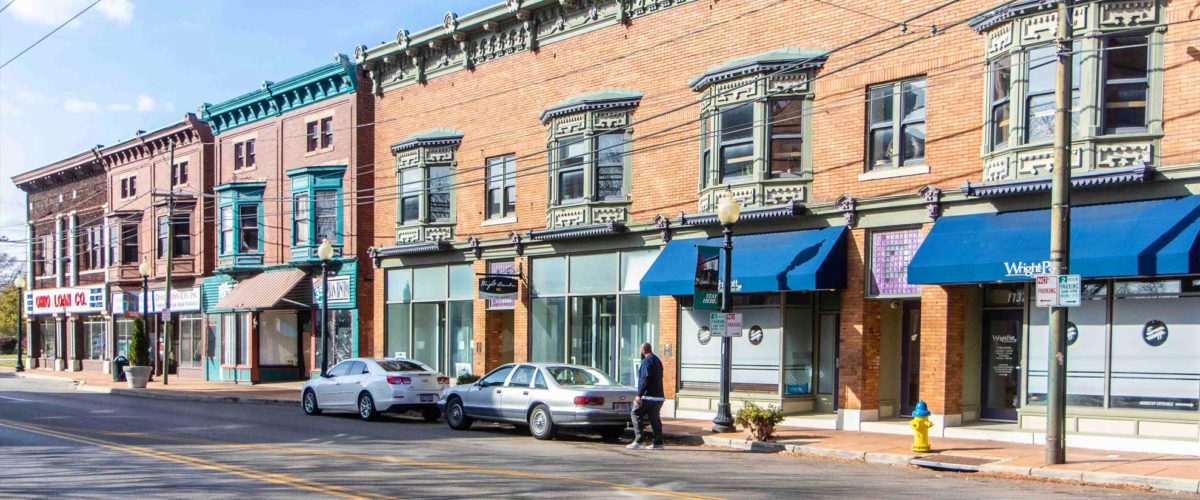
Accent Park feels like a peaceful pocket of countryside wrapped within the rhythm of the city. Its tree-lined streets curve gently past wide, welcoming yards, where neighbors wave from porches and the pace of life seems to slow just enough to enjoy it. Accent Park is a tucked away neighborhood right along the border of Dayton and Jefferson Township, and just beside the Fairlane neighborhood.
With its suburban-style layout and calm, country-like atmosphere, Accent Park offers the best of both worlds: quiet mornings, starry nights, and the comfort of a close-knit community—all while keeping Dayton’s amenities just minutes away. It’s the kind of place where families settle in, friendships grow easy, and every street feels like home.
Residents love Accent Park for its sense of space and serenity—perfect for evening walks, gardening, or simply listening to crickets chorus at dusk. The neighborhood’s warm community spirit shines through in everyday moments, making it a gentle, welcoming corner of the city where life feels grounded, simple, and wonderfully peaceful.
Arlington Heights! If you follow the gentle rise of the hill just north of U.S. 35, you’ll find us—perched high above the city like it’s keeping a friendly eye on downtown Dayton. From up there, the skyline looks close enough to tap, and hopping onto any major roadway feels as quick as flipping a turn signal. It’s a small, close-knit neighborhood, the kind where people wave from porches and dogs seem to know everyone’s walking route by heart.
Strolling down the tree-lined streets, you’ll spot cozy bungalows and proud American Foursquares, each with its own personality. On sunny days, families wander over to Arlington Heights Park, where basketballs thump, kids race across playgrounds, and neighbors gather in the open green space to trade stories or plan impromptu cookouts.
Just down the way, West Third Street hums with local dining and everyday essentials, and the Westown Shopping Center adds a dash of convenience to the mix. The West Branch of the Dayton Metro Library is a steady companion year-round, welcoming readers, crafters, students, and curious minds of all ages. And at Third and Abbey, the West Police Station helps keep the neighborhood’s friendly, connected vibe humming along.
Maybe that’s why Arlington Heights feels a little like a hometown within the city—a place with big views, a warm spirit, and the kind of easy living that invites you to stay awhile… or maybe even put down roots for good.
Belmont has a fun bit of history: in the early 1800s, these three neighborhoods—Belmont, Eastmont, and Hearthstone—sat on top of seven to nine busy stone quarries, with limestone as the local favorite. Today, the area is known for its mix of charming homes, from Cape Cods and bungalows to classic two-stories and a few mid-1800s historic beauties. Tree-lined streets make the neighborhoods perfect for strolling, and the quiet, welcoming vibe draws families, seniors, and long-time residents alike. Parks like Belmont, Nordale, and Woodman Fen give everyone plenty of space to play, explore nature, or just relax. At the center of it all, Lohrey Recreation Center keeps the community active with year-round programs for every age group.
Along the Watervliet corridor, small businesses add local character, including four family-owned, non-chain restaurants and a cozy mix of shops. A nearby shopping spot brings even more convenience, with a Puerto Rican restaurant, a grocery store, and a handful of locally loved stores.
Eastmont, located just north of Hearthstone and east of Belmont, stretches along major routes like South Smithville Road and Linden Avenue. It’s known for its friendly, laid-back feel and a wide range of home styles—from tidy ranches to classic mid-century houses. With easy access to local shops, neighborhood schools, and green spaces, Eastmont offers a peaceful, community-focused lifestyle. Many residents have lived here for decades, and it shows in the strong neighbor-to-neighbor connections.
Hearthstone, tucked south of Route 35 and east of S. Smithville Road, continues that close-knit energy. Linden Avenue brings restaurants, small stores, and Dayton favorites right to the neighborhood’s edge. Homes here range from Four Square and Prairie styles to cottages and ranches, giving the area tons of visual charm.
Belmont rounds out the trio with its long-standing reputation as one of Dayton’s most welcoming neighborhoods. Located in the southeast corner of the city, it offers quick access to downtown, Kettering, and the Iron Horse Trail. Its tree-lined streets, well-kept homes, lively business district, and parks make it one of Dayton’s most livable spots.
Together, Belmont, Eastmont, and Hearthstone are supported by the Belmont Eastmont Hearthstone Community Council—the oldest in Dayton. Meeting monthly at the Lohrey Center, the council helps keep the community connected through events, gardens at Nordale Park, the annual Belmont Days festival, and ongoing neighborhood activities.
With local charm, affordability, walkability, and warm community spirit, these three neighborhoods offer a little something for everyone.
Burkhardt is a vibrant up and coming neighborhood. Known for its welcoming atmosphere and strong sense of community, Burkhardt blends historic charm with cultural diversity.
Most homes in Burkhardt were built in the early 1900s, with a mix of Prairie-style and Victorian houses lining tree-shaded streets. These classic homes give the neighborhood character while offering families a variety of affordable options for putting down roots.
The neighborhood is home to many community anchors, including schools, churches, and local businesses that support everyday life. Burkhardt also shines through its community events—from the annual Burkhardt Festival to seasonal holiday celebrations and popular fundraisers like the Dayton Police vs. Dayton Fire basketball game—that bring neighbors together year-round.
As one of Dayton’s most ethnically and culturally diverse neighborhoods, Burkhardt is a place where families from all backgrounds can feel at home, contribute to local traditions, and create new ones. With its lively spirit, community pride, and easy access to the city, Burkhardt continues to be a great choice for families looking to join a close-knit neighborhood.
Carillon is a neighborhood where legacy and innovation live side by side. As one of Dayton’s oldest and most historically active neighborhood associations, the Carillon Civic Council is deeply rooted in the pillars of Family, Resilience, and Innovation.
Home to generations of families, Carillon blends historic charm with forward movement. The neighborhood is anchored by key community assets including St. E. Place, Dayton Rehab Hospital, The Dayton Job Center, and a variety of social service and medical institutions that strengthen the fabric of the community and the city at large. Nature abounds in Carillon as the neighborhood incorporates pockets of greenspace, the Great Miami River, and the Great Miami River Recreational Trail. It’s proximity to the trial and river makes this neighborhood ideal for those with an active lifestyle.
Quarterly neighborhood meetings offer opportunities for residents to connect, collaborate, and shape a shared vision for the future. The leadership team is proud to serve the neighborhood and includes Gwendolyn Buchanan, KeAnna Daniels, Rhonda Williams, Julia McNeal, and Pastor Vivian Walker.
Carillon is more than a neighborhood. It is a community with deep roots, vibrant energy, and a clear commitment to building a resilient and innovative future for all who call it home.
College Hill is a northwest Dayton neighborhood that seems to have borrowed its charm from a postcard. Streets roll gently over the hills, almost as if the whole place is stretching after a long, pleasant nap.
Homes here come in all personalities: proud Tudors showing off their gables, stately Colonial Revivals holding themselves upright with old-world grace, and humble bungalows and ranches offering the cozy, no-fuss comfort everyone secretly loves. Mature trees line the streets like longtime neighbors who’ve seen it all and are happy to provide shade and a bit of gossip.
At the neighborhood’s south end, College Hill Park is the cheerful backyard everyone shares. Kids flock to the playground, families gather under the shelter houses for picnics, and the whole place hums with weekend energy. Travel north, and Salem Avenue buzzes with restaurants, shops, and businesses—close enough for a short walk, yet far enough that the neighborhood keeps its peaceful pace.
Mostly residential and wonderfully spacious, College Hill’s larger lots and gently winding roads give it the feel of a suburban retreat—without ever straying far from downtown or Dayton’s urban conveniences. It’s the kind of neighborhood where people come for the quiet charm… and stay because it feels just right.
Cornell Heights feels like one of those neighborhoods that grew up knowing exactly who it wanted to be—quiet, friendly, and just a little adventurous. Most of the homes are classic Cape Cods, neat and welcoming with sloping roofs that seem to nod hello as you pass by.
On the neighborhood’s western edge lies the pride of Cornell Heights: Wesleyan MetroPark. Resting along the newly restored Wolf Creek, it’s a place where hikers drift through more than 1.5 miles of trails, kids claim the playground like it’s a personal kingdom, and families reel in a lazy afternoon of fishing. Adventure Central bustles nearby, giving local youth a playground of possibilities—after-school programs, summer camps, activity nights, all designed to spark curiosity, confidence, and a love for the outdoors.
But perhaps the most charming thing about Cornell Heights is its people. Every year, neighbors gather for the beloved “Feast for Neighbors,” a tradition that turns the neighborhood into one big family table. Ask anyone who lives here, and they’ll tell you the same: it’s quiet, connected, and specially made for the people who live here.
Cornell Heights may be small, but it’s full of heart—and always happy to welcome one more neighbor to the story.
Dayton View Historic is the kind of neighborhood where history doesn’t just sit on a plaque—it greets you as soon as you turn on one of the streets. Created from the late-1800s vision of landowner James Oliver Arnold, the area was carefully planned with broad streets, generous lots, and room for grand dreams.
The vision for those homes developed beautiful Victorians, Queen Annes, American Foursquares, and Prairie-style homes. The architecture still stands as one of the neighborhood’s greatest treasures.
Through the decades, Dayton View has weathered change, reinvention, and renewal, eventually earning its place as one of the city’s treasured historic districts. Restored homes and ongoing preservation give the area a sense of pride and continuity.
Today, strolling through Dayton View feels a little like stepping back in time—only with the warm sense that the story is still unfolding. It’s a neighborhood full of character, charm, and community, inviting new neighbors to become part of its rich history.
Dayton View Triangle—affectionately known as “The View”—sits in northwest Dayton, framed neatly by Salem Avenue, Philadelphia Drive, and Cornell Drive. It’s the kind of place where even a quick drive feels like a scenic tour, thanks to rolling hills, winding streets, and mature trees that make the neighborhood feel like a quiet, park-like retreat.
Some of Dayton’s most impressive architecture lives here. Tudor, Colonial Revival, Georgian, Craftsman, Mediterranean, and bungalow homes line the streets, each one adding its own charm and character. It’s a neighborhood where front porches seem to trade secrets with one another and every season feels like a postcard.
At Dayton View Triangle’s southern edge, the Omega CDC–Harvard Campus anchors the community. The campus continues to grow with transformative additions such as the Senior Lofts and The Hope Center—bringing stability, services, and energy to the area. Walking trails, green spaces, and a neighborhood playground offer residents places to gather, unwind, and stay active.
Throughout the year, Dayton View Triangle residents keep the neighborhood lively with a monthly book club, association meetings, music pop-ups, Trunk-or-Treat celebrations, and an annual neighborhood-wide garage sale.
People who call The View home often talk about its strong sense of community, the way neighbors truly know one another, and the pride everyone takes in maintaining such a beautifully manicured neighborhood—an uncommon gem so close to the heart of the city.
DeWeese is a northeast Dayton neighborhood with a landscape that feels like nature decided to show off a little. Tucked along DeWeese Parkway, Dixie Drive, and Siebenthaler Avenue—and bordered by the Stillwater and Great Miami Rivers—this peaceful pocket of the city blends rolling terrain with a surprising variety of homes. Tudor, ranch, cottage, Cape Cod, and even contemporary styles all make an appearance, giving the neighborhood a charmingly eclectic feel.
A heavily wooded part of Dayton, DeWeese is stitched together with parks and trails that make it a year-round playground for nature lovers. The Stillwater Recreation Trail winds through stands of shade trees, connecting residents to a network of green spaces. Wegerzyn MetroPark offers everything from serene hiking paths to formal gardens and the beloved Children’s Discovery Garden. Within the neighborhood, you’ll also find community gems like the Dayton Playhouse, the Boonshoft Museum of Discovery, and the Jim Nichols Tennis Center.
Community spirit runs strong in DeWeese, and neighbors have no shortage of ways to get involved. Annual garage sales bring everyone out to mingle, while events like Bike N Brew and the Art in the Garden Affaire give the neighborhood its own creative rhythm. Programs such as the DeWeese Ridgecrest Youth Ambassadors help younger residents connect, learn, and lead.
With its mature trees, hilly landscape, and river views, DeWeese offers the rare combination of urban convenience and natural tranquility. It’s a place where you can be close to downtown yet feel worlds away—an ideal spot for anyone seeking a peaceful, private, and beautifully scenic place to call home.
Downtown Dayton is the city’s bustling heart and central business district. Perched along the banks of the Great Miami River, It’s a neighborhood where history and modern life collide—classic architecture sits alongside sleek new developments, and a mix of condos, townhouses, apartments, and industrial lofts gives residents plenty of housing options.
As Dayton’s fastest-growing neighborhood, Downtown is always evolving. The renovated Dayton Arcade has become a hub of food, shopping, and culture, while new restaurants, breweries, bars, and boutique shops continue to pop up across the area. Residents can stroll to the Schuster Center or Victoria Theatre for world-class performances, or visit the main Dayton Metro Library, YMCA, Levitt Pavilion, and RiverScape MetroPark—all within easy walking distance.
Downtown is alive with events year-round. Free concerts at the Levitt Pavilion, seasonal festivals, art walks, and pop-up markets give residents endless ways to experience the neighborhood and connect with the community. There’s always something happening, and it’s nearly impossible to attend them all.
As the city’s geographic and cultural hub, Downtown Dayton is truly “everyone’s neighborhood.” With unmatched amenities, vibrant streetscapes, and a thriving mix of residents, businesses, and entertainment, it’s a place where living, working, and playing all come together in one lively, urban experience.. For more information, visit downtowndayton.org.
Eastern Hills feels a little like a neighborhood that grew up with a sense of calm and community in mind. Streets curve gently between Woodman Drive, Smithville Road, US-35, and Burkhardt Road, lined with cozy 1- and 1.5-story Cape Cods, stately American Foursquares, and charming Tudors. On the western edge, larger multi-family homes add a touch of variety to the landscape.
Life here moves at a comfortable pace. The Creekside Trail winds through the neighborhood, offering 15 miles of paved paths that lead all the way to Eastwood MetroPark and beyond to Xenia. Families stroll to Kemp Elementary School, while nearby Pinewood Park and the Pinewood Plaza shopping center make errands and weekend adventures easy.
Eastern Hills is perfectly perched between the city and the suburbs. A short drive puts Downtown Dayton within reach, while Wright-Patterson Air Force Base is just around the corner for commuters. It’s the kind of place where quiet streets, mature homes, and tree-lined avenues create a welcoming backdrop for everyday life.
In Eastern Hills, you get a little bit of everything: a serene, neighborhood feel, convenient access to city life, and a community that makes every corner feel familiar—like a storybook town right in the heart of Dayton.
Edgemont stretches along the Great Miami River, just steps from the city’s border with Moraine. Bordered by I-75, US-35, Nicholas Road, and Danner Avenue, the neighborhood blends charm and convenience. Tree-lined streets are filled with classic American Foursquares, cozy Cape Cods, and practical ranch homes, with the occasional apartment tucked in among them.
Edgemont is a neighborhood that loves to grow—literally. The Edgemont Solar Gardens on Miami Chapel Road is a community greenhouse where volunteers and Central State University students cultivate vegetables and herbs for neighbors to enjoy. Nearby, Burkham Park provides playgrounds, basketball courts, and walking paths, offering a quiet spot for families and neighbors to gather.
Nicholas Road serves as the neighborhood’s hub, buzzing with gas stations, local food spots, and Sam’s Market for everyday needs. The area is also seeing exciting new development, including a modern health facility being built by Five Rivers Health Center. Residents enjoy easy access to Carillon Historic Park, University of Dayton Arena, Welcome Stadium, and Welcome Park, making the neighborhood both practical and fun.
Edgemont is a place of quiet streets and big possibilities. From its community garden and local markets to parks and new development, it’s a neighborhood where history, growth, and neighborly connection come together—a storybook setting along Dayton’s riverfront.
Fairlane’s streets are lined with relatively modern homes, from ranches with attached garages to split-levels and New Traditional builds. The layout features winding streets and larger lots, giving the neighborhood a relaxed, open atmosphere that feels a world away from the city’s busier areas.
One of Fairlane’s defining features is the Dayton VA Medical Center campus and Dayton National Cemetery. As one of the largest VA campuses in the nation, the area includes walking paths, the Dayton Grotto Gardens, and beautifully landscaped grounds, offering residents a peaceful retreat and a strong sense of community pride.
Nature lovers also enjoy nearby Lakeside Park, recently restored and perfect for fishing or leisurely walks. With its spacious homes, suburban-style streets, and close access to Possum Creek MetroPark, the Montgomery County Fairgrounds, and other natural amenities, Fairlane provides a serene, modern living experience while keeping the best of Dayton within reach.
Fairview is a neighborhood that feels like a close-knit community in every sense. Tree-lined streets lead past homes both historic and newly built, as ongoing housing developments bring fresh life to this welcoming corner of the city. The neighborhood hums with activity, from local businesses along its main corridors to neighbors greeting each other on familiar sidewalks.
Families in Fairview have a wealth of resources right at their doorstep. Fairview Elementary School anchors the community, shaping young minds and serving as a gathering place for families. Nearby, the Phoenix Project works tirelessly to revitalize the area, supporting community programs and creating opportunities for residents to grow and thrive. Omega CDC adds another layer of support and engagement, connecting neighbors through programs, events, and community initiatives.
Fairview is also within walking distance of the Northwest Branch of Dayton Metro Library on Hillcrest Avenue. Completed in 2016, this community asset provides access to free, high-quality resources.
For recreation and wellness, residents turn to The New YMCA, a vibrant hub for fitness, sports, and social gatherings. And of course, Fairview Church stands as a cornerstone of the community, offering spiritual guidance, events, and a place for neighbors to come together.
Fairview is a neighborhood where history and progress walk hand in hand. From thriving local businesses to new housing, community projects, and parks, it’s a place alive with energy and connection—a storybook neighborhood where neighbors know each other by name and every street tells a story.
Five Oaks is a neighborhood where history and heart come together on tree-lined streets shaded by century-old oaks. Stately homes—ranging from graceful Tudors and timeless Craftsman designs to elegant Revival styles—tell the story of Dayton’s early 1900s, while new housing developments bring fresh energy to this vibrant community. With three locally recognized Historic Districts and a National Register area along Neal Avenue, Five Oaks feels like a living museum of charm and craftsmanship.
Life in Five Oaks isn’t just about the homes—it’s about the people who fill them. Here, neighbors wave from porches, share block parties, and come together to celebrate their community’s incredible diversity. It’s a place where everyone feels welcome, and newcomers quickly become part of the family. Families gather at Deca Prep Elementary School, meet at the newly developed Carricks Corner Pocket Park, and friends bump into each other at locally owned shops and restaurants that give the neighborhood its unique character.
The neighborhood is also home to Grandview Hospital, offering world-class healthcare just steps from home, and Corpus Christi Church, which serves free meals on select days, embodying the spirit of care and generosity that runs through Five Oaks. Residents enjoy the convenience of neighborhood businesses alongside serene streets and green spaces, creating a rare balance of city access and small-town charm.
Every corner tells a story. From historic architecture and tree-shaded avenues to community gardens, local businesses, and neighbors who look out for one another. Five Oaks keeps city life close while preserving a peaceful, residential feel. Whether you’re biking the Miami Valley trail network, heading to work, or exploring Dayton’s vibrant arts and dining scene, everything is within easy reach.
Five Oaks is a place where history meets heart—and everyone who calls it home becomes part of its story.
The Forest Ridge – Quail Hollow neighborhood is a collection of three homeowner associations: The Forest Ridge Association, Gander Road Homeowners Association, Villages of Forest Ridge, and Quail Hollow. Each HOA provides different amenities for residents including recreational facilities, parks, and activities.
Largely consisting of single-family owned homes, the neighborhood is home to over 110 acres of green space, including many parks.
While the neighborhood is largely residential, there are also several restaurants, retail locations, and a grocery store. Houses here are mostly in the colonial revival and craftsman style, with large lot sizes making it the perfect neighborhood for young and growing families.
Information for the Forest Ridge Association can be found at www.forestridgeassociation.org and the association president can be contacted at president@forestridgeassociation.org. The Gander Road Homeowner Association president can be reached at president@grha-dayton.org and more information can be found at www.grha-dayton.org.
Gateway is a neighborhood that feels like a quiet escape without leaving the city behind. Nestled in the northeast corner of Dayton, just next to the city of Riverside and Wright-Patterson Air Force Base. Its streets are lined with 2- and 3-story suburban-style homes, each with generous yards perfect for kids, pets, and weekend adventures.
Gateway’s greatest treasure is its access to nature. The Mad River winds nearby, and Eastwood MetroPark provides endless opportunities for paddleboarding, whitewater kayaking, canoeing, and hiking along trails that stretch across Montgomery County. On any given day, neighbors can be spotted exploring the park, enjoying the river, or walking dogs along the tree-lined streets.
Home to young families and professionals, Gateway strikes a rare balance: plenty of space to grow, and plenty of nature to enjoy. It’s a place where mornings might start with a quiet stroll along the river and afternoons are filled with backyard games, park visits, or neighborhood gatherings.
In Gateway, life moves a little slower, the skies feel a little wider, and every street and trail invites you to enjoy the best of suburban living wrapped in natural beauty.
Germantown Meadows, often called Dayton’s most geographically diverse neighborhood, stretches across the city’s southwest corner. Its streets are lined with charming ranches and farmhouses, each set on spacious lots that give families room to play, garden, and enjoy the outdoors. The neighborhood feels open, welcoming, and full of life.
Nature is one of Germantown Meadows’ greatest treasures. Possum Creek MetroPark is at the heart of the community, offering an active farm, community gardening programs, and cooking classes that bring neighbors together. Walking paths, open fields, and shaded areas make it easy to spend a quiet afternoon outside.
The Jean V. Woodhull Prairie is another local gem, where rare birds and butterflies make every visit a small adventure. Argonne Lake invites families and anglers to enjoy fishing free of charge, providing another way to connect with nature just steps from home.
With its blend of spacious homes, abundant green spaces, and a strong sense of community, Germantown Meadows is a neighborhood where families can grow, neighbors can connect, and the natural world is always close at hand.
Grafton Hill is a neighborhood where history, culture, and community spirit come together on every block. Known for its beautifully preserved homes and strong neighborhood association, Grafton Hill feels like a place where the past and present walk hand in hand. Tree-lined streets showcase an array of architectural gems—Queen Anne, Neoclassical, Tudor, Craftsman, and more—each one adding character and charm to the neighborhood’s storied landscape.
Within its boundaries lie some of Dayton’s most iconic landmarks. The Dayton Art Institute sits proudly atop the hill, drawing residents and visitors alike with its world-class collections and events. The Dayton Masonic Center and Annunciation Greek Orthodox Church add their own touch of grandeur, anchoring the neighborhood with history, architecture, and community gathering spaces.
Grafton Hill is also known for hosting some of the city’s most beloved events. Each year, Festival on the Hill brings music and celebration to the neighborhood, Greekfest fills the air with delicious aromas and lively traditions, and the Art Institute’s Oktoberfest draws crowds from across the region. And when autumn arrives, the Stoddard Avenue Pumpkin Glow transforms the neighborhood into a whimsical, glowing wonderland.
Thanks to its central location, residents can easily walk or bike to RiverScape MetroPark and downtown Dayton, making outdoor adventures and city entertainment just minutes away. With its vibrant traditions, cultural landmarks, and sense of community, Grafton Hill remains one of Dayton’s most treasured neighborhoods—full of charm, warmth, and stories waiting to be shared.
Greenwich Village feels like a neighborhood where everyone still knows everyone—and likes it that way. Its quiet streets curve gently past tidy homes and long-time neighbors who greet each other from porches, wave during evening walks, and treat community like something worth tending.
A strong church presence anchors the neighborhood, with several congregations woven into daily life. Their bells, events, and outreach programs help shape the close-knit spirit Greenwich Village is known for, offering gathering places and support networks that feel like an extension of home.
Community pride grows—quite literally—at the Greenwich Village Civic Association Garden, where neighbors plant vegetables, flowers, and friendships side by side. Behind the neighborhood, a serene MetroPark provides a natural escape, while Hickorydale Park offers play space, open fields, and room to breathe. Together, these green spaces give the area a peaceful, park-like feel that residents treasure year-round.
With its blend of quiet charm, community gardens, active churches, and neighbors who look out for one another, Greenwich Village is a place where the days feel easy, the connections feel lasting, and the sense of home runs deeper than the tree-lined streets themselves.
Highview Hills feels like a neighborhood gently tucked into its own peaceful corner of the city—quiet, friendly, and full of everyday warmth. With one of the lowest costs of living in the region, the area offers a mix of newly built Four Square homes, duplexes, cozy ranch and Prairie-style houses, and the Bella Vistas, a residential community that adds even more housing options for families looking to plant roots. Small, tight-knit churches dot the neighborhood, offering familiar faces and a steady sense of belonging.
At the heart of Highview Hills is the Highview Hills Community Garden, where neighbors come together to plant, chat, and cultivate both vegetables and friendships. All year long, community events weave the neighborhood into a family—an annual Christmas party that brings sparkle and joy, generous turkey giveaways and holiday dinners, and thoughtful givebacks like hygiene kits, hats, and gloves to ensure everyone is cared for.
When warm weather arrives, the neighborhood comes alive with tradition. A Day in the Park—Highview Hills’ own community picnic—fills the air with laughter as children explore the playground at Highview Hills Park while adults relax under shady trees. Gardening Day brings out volunteers of all ages, eager to help beautify shared spaces and lend a hand wherever it’s needed most.
And new stories are on the horizon: plans for a scenic walking trail through the wooded area of Highview Hills Park promise a peaceful escape for strolls, nature watching, and quiet moments. With its mix of welcoming homes, active neighbors, generous traditions, and growing amenities, Highview Hills is a place where kindness blooms, community thrives, and every day feels rooted in connection and care.
Hillcrest is a collection of close-knit neighborhoods, each with its own character, charm, and sense of community. From tree-lined streets to rolling hills, Hillcrest offers a mix of mid-century ranches, Craftsman homes, cottages, and duplexes that create a distinctive suburban feel within the city.
Sandalwood Park is a historic gem within Hillcrest, known for its 1920s homes, strong neighborhood association, and the revitalized Sandalwood Park. With events like community gardening, volunteer cleanups, and holiday givebacks, residents actively nurture both the neighborhood and their connections with one another. New park improvements, including a relocated shelter and updated courts, promise to make Sandalwood Park an even more central hub for gatherings.
Hillview offers quiet, residential streets and a welcoming atmosphere where long-time homeowners and new families alike share a sense of familiarity and pride. Its mix of charming mid-century homes and well-kept yards, combined with easy access to Hillcrest parks and churches, make it a peaceful, connected place to live.
Rocky Hills is a serene neighborhood with rolling streets, tree-lined roads, and a mix of ranches, cottages, and Craftsman homes. Its natural charm and community-minded residents make it a friendly, inviting place to settle, while nearby churches and local spaces help keep neighbors connected.
Rock N Woods feels tucked away among mature trees and quiet streets, offering a park-like atmosphere alongside bungalows, ranches, and cottages. Residents enjoy a strong sense of community and easy access to nearby parks and gathering spots, creating a peaceful retreat without leaving the city.
Sunnyview lives up to its name with bright, welcoming streets and well-tended homes. Its quiet residential charm is paired with active neighbors who participate in community events and local initiatives, making it a neighborhood where families feel rooted and friendships flourish.
Together, these Hillcrest neighborhoods form a tapestry of Dayton life—historic yet evolving, quiet yet full of community, and each offering its own slice of city charm where neighbors know each other, parks are shared, and every street tells a story.
Huffman Historic Area is a small neighborhood of restored and well maintained homes built primarily from the 1860s to the 1890s located between Third and Fifth Streets in East Dayton. Huffman was declared a historic district in 1981. William P. Huffman, a prominent businessman and landowner, founded this community in the late 1800s on land he owned just outside Dayton’s city limits. He made the area socially desirable by building elaborate mansions on Linden Avenue for his children as wedding presents. He also donated the land for the Linden Avenue Baptist Church and for Huffman School, further contributing to the settlement of the neighborhood. By the end of the nineteenth century, Linden Avenue was referred to as Millionaire’s Row.
This area stands as a remarkable blend of architectural styles, showcasing a cross-section of the late 1800s, from stately Italianate and Queen Anne homes to more modest dwellings with simple, vernacular designs, with the grandest homes being on tree-lined Linden Avenue.
Residents of Huffman believe that neighborliness is a tradition that gets passed down, not just something of the past. The Historic Huffman Neighborhood Association supports homeowners with expert advice and resources while fostering community through year-round events—from family-friendly bike parades, picnics, and Easter egg hunts to neighborhood clean-ups, cocktail parties, and Christmas Caroling. An active Neighborhood Watch partners with local police to ensure safety, and collaboration with the city and civic groups keeps Huffman thriving and improving.
Jane Reece is a small but vibrant community with a big heart and an even bigger story. Tucked along the curves of the Great Miami River in Northwest Dayton it is an anchor of bliss.
Founded in 1984, the Jane Reece Neighborhood Association (JRNA) is a no-dues, all-heart organization that runs entirely on community spirit and good neighbors. Once considered part of Lower Dayton View, this pocket of Dayton stretches from Berm Street down to Wolf Creek, and from Salem Avenue to Middle Street — a cozy spot where history, creativity, and inclusivity meet.
You’ll find an eclectic mix of homes here: from charming postwar single-story houses to roomy two-story dwellings and a few apartment complexes that add a bit of urban flair. The neighborhood is proudly diverse, home to a majority-minority population and a strong LGBTQ+ community, with an energetic average age of 35. Zoned as mature residential and multi-family residential, it’s the kind of place where everyone can find their fit.
And while JRNA itself isn’t on the historic registry, it’s named after someone who is — the pioneering photographer Jane Reece, who turned a former firehouse at 834 Riverview Terrace into her home and studio. The area’s creative roots run deep: the legendary Schwartz Sisters (Josephine and Hermene) started the dance school that became the Dayton Ballet, and their first Black student, Jeraldine Blunden, went on to found the world-renowned Dayton Contemporary Dance Company (DCDC). The arts still thrive here, thanks in part to the Human Race house on Riverview Terrace, which continues to host visiting artists.
JRNA also celebrates its trailblazers — like John Rodriguez and Dan Hageman, two artist landlords who helped make the neighborhood a welcoming refuge for Dayton’s LGBTQ+ community long before it was common elsewhere. Today, that spirit of openness remains strong, with residents who embrace all walks of life.
From McIntosh Park and the House of Bread, to Catholic Social Services and Omega CDC’s this neighborhood is a lively mix of compassion, culture, and connection — just minutes from downtown, with great access to arts, transit, and community resources.
Come visit the Jane Reece Neighborhood — where creativity, community, and inclusion call home!
Kittyhawk is a neighborhood where nature and city life meet in harmony. Winding rivers, small lakes, and stretches of open grasslands spread through the area, giving residents plenty of scenic spots to explore. The Great Miami Recreational Trail runs through the neighborhood, connecting Kittyhawk to over 350 miles of the nation’s largest paved trail network—perfect for biking, walking, or simply enjoying the outdoors.
The neighborhood is also full of conveniences and entertainment. Local businesses and restaurants dot the streets, while nearby Hollywood Gaming at the Dayton Raceway offers a unique attraction just minutes from home. Residents enjoy the rare combination of quiet, suburban streets and easy access to city amenities.
Homes in Kittyhawk are largely single-family ranches, with a sprinkling of Cape Cod-style homes, each set on spacious lots that complement the natural surroundings. With its mix of open green spaces, rivers, trails, and local attractions, Kittyhawk offers residents a balanced lifestyle where outdoor adventure and community conveniences are always close at hand.
Lakeview is a small neighborhood with big charm. Named for the lake that graces its western edge, the area offers residents easy access to Lakeside Lake, the Dayton Grotto Gardens, and the VA grounds—a mix of natural beauty and community resources. At the heart of the neighborhood, McCabe Park provides playgrounds and open spaces where children can run, play, and make memories.
Homes in Lakeview range from classic Four Square and Federal-style houses to Prairie Ranches, while Lakeview Estates Apartments offer modern, convenient living for residents seeking a close-knit community with easy access to the neighborhood’s parks and amenities. With its mix of scenic landscapes, housing options, and welcoming streets, Lakeview is a neighborhood where residents enjoy both a strong sense of community and a front-row seat to Dayton’s charm.
Linden Heights is a beautiful neighborhood nestled within Rt. 35 the north, S. Smithville Road to the east, Wayne Avenue to the south and Pursell Ave to the west. Businesses including local food establishments and markets line its main corridor. Linden Heights is very accessible to the rest of the city and to a variety of resources.
A very supportive and active community council, whom operates within the neighborhood and has worked in partnership to enhance two parks within this neighborhood, Highland Park and Cleveland Park. The parks connect to form a “Wagtown trail”. Beginning at Cleveland Park, the trail goes along a lovely wooded path, into the neighborhood, and ends at Highland Park, where there is a fenced dog park. Both parks have playground equipment, basketball courts and soccer fields. Highland Park also includes a free children’s library, nature play attractions, an urban prairie, and unique sculptures made from repurposed ash trees.
Houses in Linden Heights include Ranch, Prairie, Cape Cod, and Craftsman, with plenty of good housing stock for a variety of residential possibilities.
Little Richmond is a spacious neighborhood known for its mix of residential areas and local industry. Located in Dayton’s northwest corner and largely bordered by Trotwood, the community includes a variety of small businesses and manufacturers, with the Olive Road Flea Market serving as a well-known weekend destination for shoppers and vendors.
Omega Missionary Baptist Church is a major presence in the neighborhood, drawing a large and active congregation. Its events, programs, and community outreach efforts contribute significantly to the area’s sense of connection and identity.
Little Richmond offers a wide range of housing options, including apartments, duplexes, ranch-style homes, and farmhouse-style properties that reflect its semi-rural character. With large lot sizes and abundant open grassland, the neighborhood appeals to residents seeking more space and a quieter atmosphere.
Ongoing conversations about future green spaces and small business development suggest gradual growth while maintaining the neighborhood’s open, community-oriented feel.
MacFarlane neighborhood is a well-connected community located just west of Downtown Dayton. Bounded by the major thoroughfares of W. Third Street, S. Broadway Street, James H. McGee Boulevard, and Route 35. Its central location offers easy access to both the city’s core and surrounding neighborhoods.
Along W. Third Street, a number of local businesses serve the area, and several long-standing community institutions remain active partners in neighborhood life. These include Greater Allen AME Church, Bethel Missionary Baptist Church, the local IBPOEW chapter, and the Dakota Center. The Dakota Center provides year-round support through after-school programming, summer activities, a community garden, and a basketball court, and also collaborates with residents to host an annual neighborhood block party.
MacFarlane’s housing options are diverse, featuring ranch homes, traditional farmhouses, and Victorian-style residences that reflect the area’s layered history and character.
Madden Hills nestled off Nicholas Road is a peaceful, close-knit community known for its deep roots and pride of ownership. Many longtime residents still live in the homes they built, reflecting the neighborhood’s stability and spirit of togetherness.
The area features quiet, tree-lined streets with ranch, craftsman, and two-story homes, and centers around Madden Hills Park, a welcoming space with walking paths, playgrounds, and fitness equipment for all ages.
Madden Hills is also home to Paul Laurence Dunbar High School, Dayton’s historic African-American high school, honoring the legacy of poet Paul Laurence Dunbar and Olympian David Albritton—both symbols of achievement and inspiration. Along with two other local city schools Wogaman and Louise Troy Elementary Schools.
Guided by the Madden Hills Neighborhood Association, established in 1975, the community continues to grow while preserving its heritage. Newly constructed affordable homes offer fresh opportunities for first-time buyers, keeping the neighborhood vibrant and strong.
McCook Field sits along the Great Miami River, just northeast of Dayton. Neighborhood residents enjoy parks and amenities including two MetroParks, Island and Deeds Point, which are popular riverfront parks that feature playgrounds, a seasonal splash pad, a landmark bridge, a historical bandshell and paved trails.
Kettering Field is located within the neighborhood and features four baseball diamonds, four fast pitch diamonds, seven softball diamonds, and centennial field. In addition, the neighborhood hosts the Salvation Army Ray & Joan Kroc Corps Community Center, a 25-acre family support, education, recreation, and cultural arts center that has a variety of quality programs for people of all ages. This campus also includes Kroc park with a state of the art soccer field and pickle ball court.
The neighborhood has many service businesses, restaurants, and taverns located throughout, and houses a number of industrial facilities. It’s easily accessible to I-75, and by the paved bikeway trails.
McPherson Town is located just north of Downtown Dayton, across the Great Miami River. Designated as a historic district, it has undergone extensive revitalization, with more than 90% of its 95 structures rehabilitated since renewal efforts began in the 1970s. Many homes have even seen multiple renovations over the decades, and most properties that were once divided into apartments have been restored to single-family residences.
Today, the neighborhood showcases a remarkably well-preserved collection of architectural styles from the latter half of the 19th century, offering an important window into Dayton’s architectural evolution. Its distinctive housing stock and cohesive character make it one of the city’s most notable historic areas.
McPherson Town has also grown into a vibrant hub of urban living, attracting a broad mix of residents. Young professionals appreciate its proximity to downtown activity, empty-nesters value the shift from suburban living, and families are drawn to the community’s safe, walkable environment and diverse experiences.
With the river bikeway close by and Downtown Dayton only a short walk away, the neighborhood remains highly accessible. This central location, paired with its historic charm and strong sense of community, makes McPherson Town one of Dayton’s most desirable and livable neighborhoods.
Miami Chapel blends a quieter, residential feel with easy access to Downtown Dayton. The neighborhood has long offered a mix of housing — both single-family homes and multi-family units — creating a diverse resident base. Over recent years, attention has increasingly turned toward revitalization, with a coordinated effort to improve housing, infrastructure, and social supports.
At the center of that effort is the Redevelopment plan for DeSoto Bass Courts, Dayton’s oldest and largest public-housing complex. Under the plan administered by Greater Dayton Premier Management (GDPM), DeSoto Bass is being redeveloped in phases. The first phase will bring 44 newly constructed townhomes and flats on-site near Germantown Street and Danner Avenue. Their is also a separate development called Germantown Crossing – 50 affordable apartments in renovated and modernized building.
Residents take an active role in enhancing the neighborhood’s quality of life and share a strong sense of pride in Miami Chapel’s history. Long-standing community partners—such as the Boys and Girls Club of Dayton, which has served as an anchor for more than 60 years—continue to support the neighborhood’s efforts to build a connected, resilient community.
Together — new housing through DeSoto Bass redevelopment, affordable apartments at Germantown Crossing, and community-support institutions such as the Boys & Girls Club — Miami Chapel is working toward a revitalized future. For longtime residents and newcomers alike, the neighborhood now offers a combination of improved housing, stronger social supports, and renewed hope for stability and growth.
Mount Vernon is a small, progressive, and diverse neighborhood located northwest of Downtown Dayton along the Salem Avenue corridor. In recent years, the corridor itself has seen reinvestment and infrastructure improvements, helping strengthen connections between Mount Vernon and nearby business districts, cultural institutions, and community resources.
Known for its rich architectural history, Mount Vernon continues to prioritize preservation. Residents, neighborhood leaders, and partner organizations regularly collaborate on restoration efforts, neighborhood cleanups, and advocacy around maintaining the historic character of the area. These efforts support both longtime homeowners and newer residents drawn to the neighborhood’s distinctive homes and walkable layout.
A large central greenspace remains an important gathering point, hosting casual meetups, outdoor activities, and seasonal neighborhood events. Recent community projects have focused on enhancing this area with improved landscaping, small-scale amenities, and programming that encourages families and neighbors to engage with one another.
Housing in Mount Vernon ranges from historic single-family homes to a variety of architectural styles reflecting different eras of development. The neighborhood association remains active throughout the year, coordinating events, sharing resources, and supporting initiatives around safety, beautification, and community-building—helping ensure Mount Vernon continues to grow as a welcoming and connected place to live.
Newcom Plain is a historic and close-knit neighborhood located just east of Downtown Dayton. Known for its walkability and charm, the neighborhood offers residents a quiet residential feel while still being within minutes of the activity and amenities of the city’s core. Its tree-lined streets and mixture of older homes give Newcom Plain a distinctive character that appeals to longtime residents and newcomers alike.
One of the highlights of the neighborhood is its collection of small but vibrant community spaces. The local pocket park provides a welcoming spot for neighbors to relax, walk their dogs, or gather for informal conversations. Nearby, Tree Park adds another layer of green space, offering shaded areas and mature trees that make it a popular place for afternoon walks and children’s play.
Newcom Plain is also home to a well-loved community garden where residents work together to grow vegetables, flowers, and herbs throughout the warmer months. The garden not only provides fresh produce but also acts as a social hub—bringing neighbors together for planting days, cleanups, and seasonal celebrations.
With its blend of historic homes, accessible green spaces, and active community involvement, Newcom Plain continues to foster a welcoming environment for residents who value both neighborhood pride and urban convenience.
North Riverdale tucked just north of Downtown Dayton and perched above the charming Riverdale neighborhood, Upper Riverdale blends suburban peace with city convenience. Picture quiet, tree-lined streets filled with classic Cape Cod–style homes, all just minutes from the buzz of downtown life.
This cozy area is made up of two close-knit communities—Redcrest and Upper Riverdale—each with plenty of neighborhood pride. Redcrest even has its own neighborhood association that keeps things lively and connected, from community projects to cheerful meetups at the Redcrest Community Garden, where residents come together for the much-loved annual garden parties every summer.
Living here means you’re never far from good food and green escapes. The nearby North Main Street corridor offers tasty local eats, while Triangle Park and the Boonshoft Museum of Discovery provide plenty of room (and reason!) to get outside and explore.
Northern Hills, located in the northwest section of Dayton, is a quiet, family-oriented neighborhood known for its spacious lots, mature trees, and strong sense of community. Bordered on the east by Salem Avenue and divided to the south by Hillcrest Avenue, the neighborhood offers a mix of residential homes, churches of various faiths, and convenient access to local businesses and chain restaurants. Belle Haven Elementary School, the neighborhood’s only school within its boundaries, provides an educational hub and gathering point for families.
Homes throughout Northern Hills are primarily traditional styles, with ranches and Cape Cod designs sitting on large, open lots that give the area a suburban feel while remaining within Dayton city limits. Residents benefit from a close-knit community atmosphere, with active involvement in local initiatives and events that strengthen neighborhood pride.
Within Northern Hills, New England Woods stands out as a particularly charming and secluded enclave. This wooded neighborhood features 14 custom-built homes with five additional lots available for new construction. Its location offers both tranquility and convenience, just minutes from downtown Dayton and within walking distance of Belle Haven Elementary School. The community maintains an active homeowners association, led by President Vernon Holman, Vice President Kim Stovall, Secretary Debbie Andrews, and Treasurer Daren Andrews, and was recently awarded Dayton’s Community Engagement Mini Grant in recognition of its vibrant neighborhood involvement.
Together, Northern Hills and its distinctive enclaves like New England Woods provide a blend of quiet, tree-lined streets, family-friendly amenities, and strong community ties. With accessible schools, local businesses, and a variety of home styles, the neighborhood continues to be a desirable destination for those seeking both connection and space within Dayton.
Northridge Estates offers a peaceful suburban environment while remaining highly accessible via Frederick Pike, which runs north to south through the neighborhood. Its location provides convenient access to surrounding areas and makes commuting straightforward for residents.
The neighborhood features mostly newer-model homes arranged along quiet streets, including several cul-de-sacs that enhance the suburban feel. A small number of apartment complexes also provide additional housing options, adding to the neighborhood’s diversity of residences. Much of the area is surrounded by wooded lots and open fields, giving residents a sense of space and privacy uncommon in city neighborhoods.
In addition to residential amenities, Northridge Estates includes a business park that hosts several well-established companies such as Honeywell, Reliable Construction Services, and Pure Ohio Wellness. This mix of commercial and residential spaces helps make the neighborhood self-contained and convenient for both work and home life.
With its combination of modern housing, natural surroundings, and nearby employment centers, Northridge Estates offers a quiet, suburban lifestyle while remaining connected to the broader Dayton area.
Old North Dayton is one of Dayton’s most historic and vibrant neighborhoods, where tradition and progress live side by side. Nestled between the Great Miami and Mad Rivers just northeast of downtown, it’s a community built on resilience, pride, and connection. Generations of families — from German and Hungarian to Polish, Lithuanian, and now Turkish, Latino, and African — have shaped this area into a cultural mosaic that continues to thrive today.
Known for its strong sense of neighborhood identity, Old North Dayton is home to landmarks like Dayton Children’s Hospital, the Amber Rose Restaurant, and the charming Kossuth Colony Historic District, each representing the area’s enduring legacy and spirit. The neighborhood has a growing mix of beautifully restored homes, local shops, and green spaces that make it both family-friendly and full of opportunity.
In recent years, Old North Dayton has embraced revitalization while staying true to its roots. Neighbors work together through active community groups, local events (like the annual Taste of Old North Dayton), and shared pride in keeping the area welcoming and inclusive. GONDBA (Greater Old North Dayton Business Association) has also recently been revived and is actively working to strengthen businesses in the area as well as strive to bring new business to these once bustling streets. From its rich cultural traditions to its forward-looking growth, Old North Dayton stands as a shining example of what happens when history, heart, and hope come together.
Ole Dayton View is a historic neighborhood located just northwest of Downtown Dayton, across the Great Miami River. At its heart lies the Dayton View Historic District, an area celebrated for its rich architectural diversity and well-preserved homes dating from the late 1880s through the 1920s.
The neighborhood showcases a remarkable range of architectural styles, including High Victorian and Queen Anne, Jacobean and Chateauesque, Classical American Foursquare, and the Prairie School of Midwestern Architecture. This variety reflects the area’s layered history and the craftsmanship of the period, making it a visual and cultural treasure within Dayton.
Beyond its architectural significance, Ole Dayton View is known for its vibrant, diverse community. Residents come from a mix of cultural and economic backgrounds, contributing to the neighborhood’s lively character and strong sense of community.
Today, the beauty of Ole Dayton View’s homes is complemented by ongoing efforts to maintain and revitalize the neighborhood, balancing historic preservation with modern living. Its proximity to downtown and the cultural amenities of Dayton makes it an appealing choice for those seeking a neighborhood with both history and contemporary urban life.
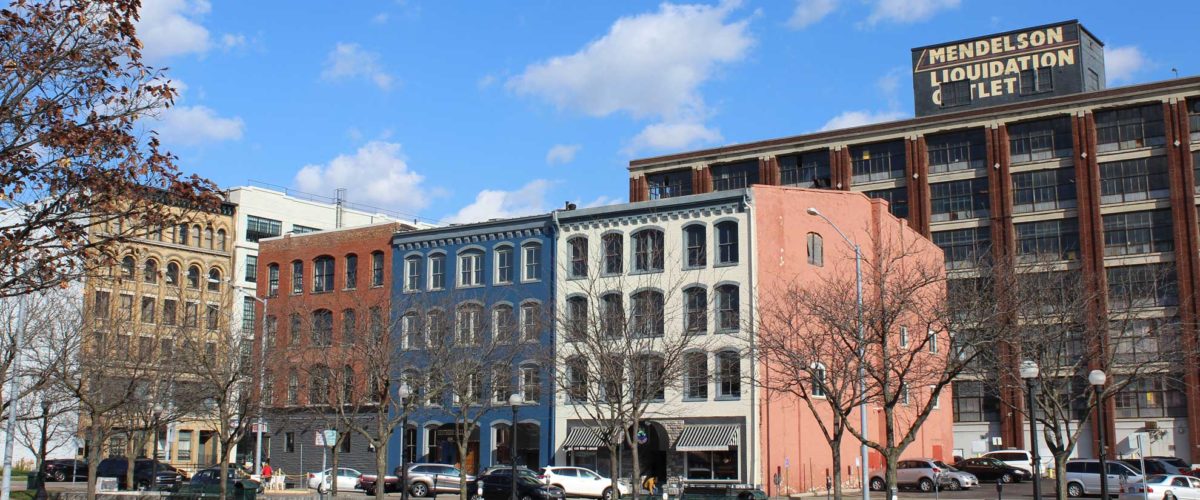
The Oregon District is Dayton’s oldest historic neighborhood, and one of the city’s most vibrant, creative corners. Spanning twelve city blocks, the district features a remarkable mix of old-style architecture — from Federal and Greek Revival to Italianate, Queen Anne and other late-Victorian commercial and residential buildings. (Oregon Historic District) Walking through its brick-lined streets is like strolling through Dayton’s history — while also being right in the middle of one of its liveliest urban communities. (dayton-daily-news)
Today the Oregon District pulses with energy. Around every corner you’ll find independent galleries, vintage and specialty shops, cozy cafés, lively pubs, and restaurants serving food and drink into the night. (The Miami Valley Experience) Whether you’re grabbing a rooftop pizza, checking out local music, enjoying a craft cocktail, or browsing art and antiques — this neighborhood blends historic charm with contemporary urban life.
The community spirit is as strong as ever. The local district society organizes events ranging from art walks to street fairs, and the business community regularly brings people together. On the first Friday of every month, “First Friday” turns parts of Fifth Street into a pedestrian-friendly celebration: galleries and shops open their doors late, music floats through the air, and neighbors and visitors mix for a relaxed, arts-centered evening. (American Planning Association)
Of course, no discussion of the Oregon District would be complete without mentioning its signature event: Hauntfest, Ohio’s largest Halloween party and arguably one of the state’s most legendary block-parties. Every year the district’s streets fill with music, costumes, street performers, and food trucks — bringing an electric mix of festivity and community celebration. (Oregon District)
Patterson Park is a charming, walkable neighborhood known for its friendly atmosphere and well-maintained homes. The community features a mix of single-family houses and about seven apartment buildings, many of which were built in the 1930s and 1940s in the classic Tudor style. Its curving, tree-lined streets and small pockets of green space make the neighborhood a favorite for walkers, runners, and cyclists — most of whom happily greet each other along the way.
The neighborhood’s convenient location adds to its appeal. Just outside its borders, residents enjoy easy access to a wide range of local businesses, including restaurants, bars, medical offices, pharmacies, grocery stores, a veterinarian, and even an ice cream shop. Most amenities are only a five- to ten-minute walk from home, making Patterson Park both comfortable and highly convenient for day-to-day living.
Patterson Park also benefits from an active and welcoming neighborhood association that helps keep the community connected. Throughout the year, neighbors come together for events such as seasonal gatherings, beautification projects, neighborhood cleanups, and family-friendly activities in the park. These efforts strengthen the sense of pride and belonging that residents often cite as one of the best parts of living in Patterson Park.
Pheasant Hill is a suburban-style neighborhood located in Dayton’s northeastern corner, bordering both the city of Huber Heights and the semi-rural landscapes of Greene County’s Bath Township. Its location offers residents a quieter residential feel while keeping them close to major regional amenities and employment centers.
Developed after 1980, Pheasant Hill is made up primarily of single-family homes featuring three or more bedrooms and two or more bathrooms, along with a number of condos in townhouse or patio-home styles. The neighborhood’s modern housing stock and well-kept streets contribute to its relaxed, family-friendly environment.
The community is especially popular with employees of Wright-Patterson Air Force Base due to its convenient commute and peaceful setting. While Pheasant Hill itself is strictly residential, residents enjoy quick access to nearby shopping and everyday services in Dayton’s Cloud Park area as well as throughout Huber Heights.
Altogether, Pheasant Hill offers a blend of suburban comfort, newer housing options, and excellent regional connectivity, making it an appealing choice for families, professionals, and anyone seeking a quiet place to call home within the Dayton city limits.
Philadelphia Woods offers residents a comfortable blend of urban convenience and suburban calm. Located in Dayton’s northwestern corner, the neighborhood benefits from easy access to retail, dining, and everyday services, including the nearby Northwest Plaza. Its location along key corridors makes it a practical and community-oriented place to live.
A major asset to the neighborhood is the beautiful Dayton Metro Library – Northwest Branch, situated just off Salem Avenue on Philadelphia Drive. This modern library serves as both a learning hub and community gathering space, sitting close to Fairview School and Fairview Park. Together, these amenities give residents convenient access to education, green space, and neighborhood programming.
Philadelphia Woods features a diverse range of housing built from the 1930s through the mid-20th century, including classic Cape Cod homes, scattered ranches, and a selection of small apartment buildings. This mix creates a welcoming environment for households of all sizes and lifestyles.
Adding to the area’s character, the upscale Hook Estate development sits across Philadelphia Drive from the Miami Valley Golf Club, offering a more secluded residential feel within the broader neighborhood. With its variety of housing, local amenities, and strong sense of community, Philadelphia Woods continues to be a well-rounded and appealing place to call home.
Pineview is located just south of US-35 near the western edge of Dayton, offering residents a quiet, residential atmosphere with convenient access to major roadways. The neighborhood is made up of a variety of home styles, with classic Cape Cod designs being among the most common, giving the area a traditional and welcoming character.
One of Pineview’s standout amenities is Mallory Park, located on the eastern side of the neighborhood. The park provides spacious green areas ideal for family gatherings, along with outdoor basketball courts and a children’s playground that make it a popular spot for neighbors of all ages.
Residents also enjoy access to Lakeside Lake, which was recently restored and now serves as a peaceful place for fishing and relaxation. The lake adds to the neighborhood’s natural appeal and offers a convenient outdoor escape close to home.
With its mix of well-established homes, nearby recreational spaces, and easy access to the rest of the city, Pineview offers a comfortable and family-friendly environment for Dayton residents.
Princeton Heights offers residents an urban living experience surrounded by larger early- to mid-century homes, many with spacious yards and generous lots. Located in Northwest Dayton, it’s a mid-size neighborhood that still carries the energy and convenience of a big-city setting while maintaining a friendly, residential atmosphere.
The neighborhood features a variety of classic home styles, including Cape Cods, American Foursquares, and a scattering of mid-century ranches. Its walkability is one of its greatest strengths—residents are just steps away from Princeton Park, a community favorite for outdoor play, picnics, and casual neighborhood gatherings.
Another major asset is the Northwest Recreation Center, which offers an indoor pool, outdoor tennis courts, fitness opportunities, youth programming, and a wide range of classes for all ages. It serves as a central hub for staying active, meeting neighbors, and engaging in community events throughout the year.
With its mix of historic charm, accessible amenities, and opportunities for recreation, Princeton Heights provides plenty of ways for residents to stay connected, active, and involved in their community.
Residence Park is a long-established neighborhood on Dayton’s far west side, located northwest of the Gettysburg Avenue and W. Third Street intersection and just north of the Dayton Veterans Affairs Campus. Known for its quiet streets and strong community identity, the neighborhood remains a point of pride for many longtime residents.
Housing in Residence Park ranges from classic ranch-style homes to American Foursquare designs, giving the neighborhood a distinctive early-to-mid-century feel. Thurgood Marshall High School serves as a major anchor in the community, hosting school events, sports activities, and programs that bring families and neighbors together. Along with the International School being an anchor for our refugee population.
Residence Park’s neighborhood park continues to be a gathering place for residents. It hosts annual National Night Out events, neighborhood cleanups, family activities, and various community-led programs that support safety, youth engagement, and neighborhood beautification. In recent years, residents have been increasingly active in organizing volunteer projects and advocating for improvements to public spaces, walkability, and park amenities.
Ongoing neighborhood efforts, including collaborations with local partners and citywide initiatives, reflect Residence Park’s commitment to strengthening community ties and enhancing quality of life. With engaged residents, convenient access to nearby services, and a strong sense of place, Residence Park continues to grow as a welcoming and community-oriented corner of West Dayton.
Riverdale being primarily residential features a mix of bungalows, American Foursquares, and both single-family and multi-family homes. Its tree-lined streets and diverse housing options attract residents looking for a neighborhood with character and accessibility. Along North Main Street, a number of locally owned restaurants and small businesses give the area a welcoming, community-oriented feel.
Riverdale is a north-central Dayton neighborhood situated just west of the Stillwater and Great Miami Rivers. Bordered by Ridge Avenue to the north, Forest Avenue to the west, and I-75 to the south, the neighborhood offers quick and convenient access to Downtown Dayton. North Main Street runs directly through Riverdale, connecting residents to local businesses, public transit, and major roadways.
Riverdale also benefits from close access to some of Dayton’s best outdoor amenities. Island MetroPark sits just steps away, offering paved multi-use trails, a playground, a splashpad, and scenic river views. The historic Dayton Canoe Club adds another unique recreational resource, giving residents opportunities for paddling, social events, and riverfront relaxation.
With its combination of residential charm, walkable amenities, and proximity to parks and the river, Riverdale continues to be a vibrant and convenient place to call home in Dayton.
Roosevelt is a largely residential neighborhood offering classic American Foursquare homes and a strong sense of community on Dayton’s west side. Its location provides residents with quick access to both the historic Wright-Dunbar business district and Downtown Dayton, making it easy to enjoy museums, local shops, and cultural events just a few minutes from home.
A major highlight of the neighborhood is the Greater Dayton Recreation Center, which offers an indoor pool, gymnasium, walking track, fitness programs, and youth activities. It serves as a year-round hub for recreation, wellness, and community gatherings, giving Roosevelt residents a convenient place to stay active and connected.
In recent years, Roosevelt has continued to benefit from local investment and neighborhood-led initiatives. Efforts around beautification, community gardening, and public art have helped enhance shared spaces and strengthen neighborhood pride. Sidewalk and streetscape improvements along nearby corridors have also supported safer walking routes and better connectivity to surrounding neighborhoods and amenities.
With its historic housing, active community spaces, and growing engagement from residents and partners, Roosevelt remains a welcoming and steadily evolving neighborhood for families, longtime homeowners, and newcomers alike.
Santa Clara is a northwest Dayton neighborhood known for its mix of architectural styles and residential charm. The area features a combination of Tudor-style homes and classic American Foursquares, alongside several multi-family residences, creating a diverse and inviting streetscape.
Residents enjoy close proximity to local attractions and outdoor spaces, including the Boonshoft Museum of Discovery, Triangle Park, and Island MetroPark, which offer a range of recreational and educational opportunities. These amenities make it easy for families and individuals to stay active and engaged within the community.
Convenience is another hallmark of Santa Clara. Downtown Dayton is just a short 10-minute drive or public transit ride away, providing access to employment, entertainment, and cultural offerings while allowing residents to return to a quieter, neighborhood-focused environment.
With its mix of historic homes, nearby parks, and central location, Santa Clara offers a balanced lifestyle that blends city accessibility with the comfort and character of a close-knit neighborhood.
Shroyer Park is a well-established neighborhood in Dayton, known for its quiet streets, mature trees, and mix of mid-century and traditional homes. The community is primarily residential, offering a range of single-family houses that appeal to both longtime residents and newcomers looking for a welcoming neighborhood feel.
One of Shroyer Park’s highlights is its convenient access to amenities and services. Residents are close to shopping, dining, and local schools, making daily errands simple and stress-free. The neighborhood’s location also provides easy connections to major roadways, including Shroyer Road, making commuting to other parts of Dayton or nearby cities straightforward.
Recreation is a key feature of life in Shroyer Park. Residents enjoy nearby green spaces and parks, which provide opportunities for walking, sports, and family activities. The neighborhood’s safe, tree-lined streets make it ideal for outdoor exercise, casual strolls, and neighborhood gatherings.
Overall, Shroyer Park offers a comfortable, community-oriented environment with the convenience of city access and the charm of a mature, established neighborhood. Its combination of residential appeal, local amenities, and active community life make it a strong choice for families, professionals, and anyone looking for a stable and friendly Dayton neighborhood.
South Park is a historic and welcoming neighborhood located in southeast Dayton, offering a mix of charm, convenience, and community spirit. Its location puts residents close to the University of Dayton campus, the vibrant Oregon District, Miami Valley Hospital, and easy access to US-35, making it an ideal spot for students, professionals, and families alike.
The neighborhood features a variety of housing options, including beautifully preserved Victorian homes, cozy bungalows, and multi-family residences. Park Drive serves as the centerpiece of South Park, an idyllic boulevard where residents gather for events like Shakespeare in South Park and the annual Children’s Halloween Costume Parade.
In addition to its residential character, South Park has active commercial corridors along Wayne Avenue and Brown Street, offering a range of restaurants, coffee shops, and local businesses. These amenities make it easy for residents to enjoy dining, shopping, and socializing without leaving the neighborhood.
With its historic architecture, community-focused events, and convenient location, South Park blends a strong sense of place with the amenities and accessibility of urban living, making it one of Dayton’s most vibrant and desirable neighborhoods.
Southern Dayton View is a long‑established, tight‑knit neighborhood in northwest Dayton that offers a mix of historic charm and evolving opportunities. The area is known for classic architecture — from Queen Anne and Victorian to Craftsman and American Foursquare homes — alongside duplexes and red‑brick multi‑family buildings.
The neighborhood continues to see revitalization and renewed interest. A growing number of formerly rental‑heavy homes are being restored and occupied by owners rather than investors, helping foster increased long-term stability and community pride. And old public‑use spaces are getting new life: a former library building is being transformed into a preschool and pediatric dental clinic — a redevelopment designed to provide essential services and support neighborhood needs. dayton-daily-news
Residents enjoy a variety of green and public‑use spaces. Within the neighborhood is Liberation Park — with grills, open lawns, and a playground — which hosts community events like a local Juneteenth celebration and other family‑oriented gatherings. For recreation and outdoor activity, the nearby Wolf Creek Trail — a nearly 19‑mile paved trail — offers pleasant walking, biking, and jogging options.
When it comes to dining and amenities, Southern Dayton View — while largely residential — is just a short ride or walk from neighborhood staples and adjacent business districts. Local and nearby eateries like Morgan’s and West Tap Social offer casual dining, and the recently established Gem City Market provides fresh produce, nutrition education, and a pillar in the community— Dr. Alonzo Patterson with Primed Physicians. A community-driven addition that’s already serving neighbors.
Springfield is a diverse and dynamic neighborhood stretching from just east of Day Air Ballpark northeast to the city of Riverside. The area blends residential, industrial, and creative spaces, making it a unique corner of Dayton where history, innovation, and the arts come together.
The neighborhood is home to a mix of small industrial operations and technology firms, as well as repurposed spaces like Front Street, which serves as the city’s largest community of artists and artisans. Residents and visitors can enjoy galleries, studios, and creative events that bring energy and culture to the area.
For outdoor recreation, Springfield offers access to Eastwood MetroPark, featuring biking and hiking trails, water trails, grassland prairies, footbridges, a playground, and the scenic Eastwood Lake. These spaces provide a great mix of activity and relaxation for residents of all ages.
Housing in Springfield includes a variety of styles, from ranch and Craftsman homes to American Foursquares, giving the neighborhood a charming, historic feel. With its combination of creative spaces, green areas, and easy access to Downtown, Springfield is a vibrant, engaging community that appeals to families, young professionals, and artists alike.
St. Anne’s Hill Historic District is one of Dayton’s true treasures — a tight-knit, creative community that loves its history and its gatherings. From monthly socials to Dayton PorchFest, the Dayton Liederkranz-Turner German Club Picnic, and our annual spring brunch, there’s always something happening. Every other year, we host the Dickens of a Christmas Home Tour and Garden Tour to raise funds that help preserve our parks and historic charm.
Just off US-35, east of I-75, St. Anne’s Hill is just minutes from Wright-Patterson Air Force Base, the University of Dayton, Miami Valley Hospital, and downtown Dayton. Our neighborhood is perfect for strolling — you’ll find some of the city’s favorite spots for coffee, bites, and brews along E. Fifth Street, including Fifth Street Brewpub, Gem City Catfé, The Ugly Duckling, and Adelaide’s Wholesome Baked.
Dating back to the 1800s, St. Anne’s Hill is Dayton’s second-oldest historic district. It’s a leafy, walkable neighborhood filled with stunning Victorian homes and unique architectural details. Listed on the National Register of Historic Places since 1986, our 14-block district is home to over 300 lovingly preserved buildings and tree-lined streets that shine in every season.
Curious to learn more? Reach out at info@stanneshill.org — we’d love to show you around!
Stoney Ridge is a quiet, residential neighborhood on the southwest side of Dayton, known for its modest homes, tree-lined streets, and relaxed suburban feel. The area sits just west of the Great Miami River and offers a slower pace compared to the city center, making it appealing to residents who value peace and stability over hustle and bustle. Its layout and housing style give it a classic, comfortable mid-century neighborhood vibe.
Community life in Stoney Ridge tends to feel grounded and familiar. Many residents are long-term homeowners, which contributes to a sense of continuity and neighbor-to-neighbor connection. While it’s not a high-traffic or highly commercial part of the city, the neighborhood’s simplicity is part of its charm—people here appreciate a practical, down-to-earth environment without the pressure of rapid development.
One of the highlights of living in Stoney Ridge is its proximity to natural spaces and outdoor recreation. Possum Creek MetroPark and other nearby green areas offer trails, open fields, and opportunities for families, walkers, and nature-lovers to unwind. Access to these parks gives the neighborhood a refreshing balance between suburban living and outdoor escape.
Overall, Stoney Ridge is a steady, unpretentious community that offers affordability, comfort, and a slower rhythm of daily life. It’s the kind of neighborhood where residents value simplicity, enjoy the space to breathe, and take pride in a setting that feels reliably welcoming. Whether someone is starting out, settling in, or looking for a quieter corner of Dayton, Stoney Ridge provides a sense of home rooted in calm and familiarity.
Twin Towers is a historic Dayton neighborhood defined by the iconic towers of St. Mary Church and a lively mix of shops, restaurants, and local favorites along Xenia Avenue. With easy access to US-35 and major city corridors, it offers a convenient location with plenty of neighborhood charm.
The area features a variety of classic homes—from bungalows to Foursquares—and is anchored by Steele Park, a welcoming green space with a playground for families. Its walkable streets and distinctive architecture give the neighborhood a warm, lived-in character.
Community spirit is a major highlight of Twin Towers. Annual events like the clothing giveaway, Christmas celebration, and Easter activities—supported by partners such as East End Community Services, Ruskin Elementary, and Mission of Mary—bring neighbors together year-round.
Proud, connected, and forward-focused, Twin Towers is a neighborhood where residents honor a rich heritage while working together to create a vibrant, thriving future.
University Park sits just south of Downtown Dayton and is best known as the home of the University of Dayton—one of Ohio’s largest private universities and a nationally recognized Catholic institution founded by the Society of Mary in 1850. The campus brings energy and innovation to the neighborhood, with its highly residential setting creating a vibrant, student-centered atmosphere.
The area blends academic life with convenience and culture. University Park borders Miami Valley Hospital and includes beloved destinations like Woodland Cemetery and Arboretum—one of the nation’s oldest garden cemeteries—as well as restaurants, bars, retail, and Carillon Historical Park, home to the world’s first practical airplane and the iconic Deeds Carillon.
Beyond the campus core, the neighborhood features charming residential pockets. These tree-lined streets showcase Craftsman, Colonial, and Victorian homes, offering a historic, welcoming feel within walking distance of major amenities.
Dynamic, walkable, and rich with history, University Park stands as one of Dayton’s most distinctive neighborhoods—where academic spirit, architectural character, and local culture come together in a truly unique urban setting.
University Row is a cozy northwest Dayton hideaway tucked between Yale Avenue, Rosedale Drive, Cornell Drive, and Salem Avenue. Think tree-lined streets, winding roads, and a lineup of homes that look like they came straight out of a vintage storybook—Colonial, Georgian, Tudor, Spanish Revival, Craftsman… you name it, it’s here. The whole neighborhood shows off its 1920s roots in the best way.
Just a short walk away, you’ve got Princeton Park and the Northwest Recreation Center—perfect for stretching your legs, meeting neighbors, or letting the kids burn off some energy. They’re the kind of spots everyone gravitates to without even thinking about it.
At the center of it all is the University Row Neighborhood Association, a group of enthusiastic neighbors who love this place and aren’t shy about rolling up their sleeves. They work on everything from beautification projects to partnerships and conservation, all to keep the neighborhood looking great and feeling like home.
With its historic charm, friendly vibe, and super-engaged residents, University Row is one of those neighborhoods that just feels good the moment you arrive—warm, welcoming, and full of character.
Walnut Hills is a charming residential enclave in southeast Dayton, bordered by Pursell Avenue, Wayne Avenue, Stewart Street, and Wyoming Street. Its development began in the late 1800s, with elegant Victorian homes like the Westbrock Funeral Home and the Ohmer House setting the architectural tone. As Dayton grew, Walnut Hills emerged as one of the city’s earliest southeast suburbs, offering a peaceful retreat just beyond the urban core.
Today, the neighborhood features a delightful blend of early twentieth-century architecture, including American Foursquares, Bungalows, and other period styles. While single-family homes dominate the landscape, a variety of duplexes add to the area’s character. Brick-lined streets and elevated vistas enhance the neighborhood’s timeless appeal. Though primarily residential, commercial activity is concentrated along Wayne Avenue and Wyoming Street, providing convenient access to local businesses.
Walnut Hills is a hidden gem, known for its spirit of growth, friendship, and community. It’s a family-friendly neighborhood where residents genuinely care for one another, fostering a warm and welcoming atmosphere. At its heart lies Walnut Hills Park—one of the highest points in the area—offering sweeping views of the city and serving as home to Dayton’s first native plant urban prairie.
With its close proximity to downtown Dayton and easy access to grocery stores, pharmacies, and entertainment, Walnut Hills combines historic charm with everyday convenience, making it a truly special place to call home.
Welcome to Webster Station — Dayton’s own “live, work, play” hotspot tucked just east of downtown. This neighborhood blends old-school industrial roots with fresh urban energy. Think historic warehouses turned into hip lofts, brick streets lined with vintage lampposts, and a full mix of riverfront vibes, nightlife, and everyday conveniences.
If you’re up for a good time or just want to grab a bite, Webster Station’s got you covered. Cozy breweries, craft-cocktail lounges, laid-back eateries, and indie bars populate the neighborhood — locals love hopping from one spot to another without ever grabbing a car. On weekends, the 2nd Street Market is a must-see: an old freight-house turned public market where folks pick up farm-fresh produce, baked goodies, and artisan goods — or just hang out with a coffee.
Outdoor lovers and night-owls unite here. You’ve got scenic riverwalks along the Great Miami River, green-space strolls through RiverScape MetroPark and Deeds Point MetroPark, and the option to catch a game at Fifth Third Field — home of the Dayton Dragons. Between riverside views, bike paths, and minor-league baseball vibes, there’s always something going on.
Living here means mixing old and new — from loft-style apartments in rehabilitated warehouses to modern townhomes and rowhouses. The historic industrial bones give the area serious character, and ongoing development adds fresh energy and convenience for residents. Webster Station is all about embracing Dayton’s history while building a lively urban future — a neighborhood that feels rooted, but always ready for the next great thing.
Wesleyan Hill is a down-to-earth northwest Dayton neighborhood with plenty of personality and a strong sense of everyday community. Centered around the winding streets near Wesleyan Road and Gettysburg Avenue, the area is filled with a mix of single-family homes, duplexes, and apartments—making it the kind of place where longtime residents and newcomers cross paths easily.
Families here love having Rosa Parks Early Learning Center and the Miami Valley Child Development Center on Kings Highway right in the neighborhood, offering trusted early-childhood resources just minutes from home. And keeping everyone safe is Dayton Fire Station 16, a familiar neighborhood landmark and friendly presence that adds to Wesleyan Hill’s community feel.
Nature lovers and weekend wanderers are never far from green space thanks to Wesleyan MetroPark, a local go-to for trails, fishing spots, and outdoor fun along Wolf Creek. With places like Adventure Central nearby, it’s easy for kids—and grown-ups—to stay active and connected to the outdoors.
Wesleyan Hill may not be flashy, but that’s part of its charm. It’s real, lived-in, and full of people who care about their neighborhood. With its mix of affordability, green space, and community anchors—from schools to firefighters—it’s a spot with heart, history, and a welcoming vibe that feels unmistakably like home.
Westwood is the second largest neighborhood in Dayton, OH. Defined by the borders of Gettysburg Avenue, U.S. 35, and Wolf Creek, Westwood is where deep roots meet dynamic growth.
Stretching from its frontier beginnings to its rise as a cultural powerhouse. Westwood is home to the Daniel Miller House, built in 1808 and one of the oldest residential landmarks in the region, marking the start of Montgomery County’s permanent settlement. The neighborhood also carries funk in its DNA—Westwood helped ignite the legendary “Dayton Funk” scene, giving rise to roughly 21 iconic groups, including Lakeside and Slave, whose grooves still echo around the world.
At the heart of Westwood sits the Wesley Community Center, a neighborhood anchor offering after-school programs, workforce development, and a welcoming community pantry. Westwood is also home to Westwood Elementary School (Pre-K through 8), where Dr. SeMone Epps has brought new energy and a positive culture shift that’s helped students grow and thrive. RCMI is a vibrant ministry rooted in Dayton, Ohio, built on the Bible and centered on Jesus Christ. Our mission is simple: lead people to honor and glorify Him. We’re not focused on buildings or complicated systems—just on helping people from every background discover the joy of knowing and serving Jesus.
Westwood provides many opportunities for unity and cultural relevant events to build a stronger community.
Wolf Creek, a charming Dayton neighborhood just north of West Third Street and right next to the historic Wright-Dunbar Village. Named for the scenic Wolf Creek that borders its northern edge, this area blends the best of city living with a touch of natural beauty. The neighborhood stretches west toward James H. McGee Boulevard, giving residents a quiet, leafy escape while staying close to downtown.
The homes here have personality in spades. Classic two-story Victorians and Craftsman-style houses from the early 1900s sit alongside newer infill homes, creating a mix of historic charm and modern convenience. Strolling the streets, you’ll see tree-lined sidewalks, beautiful architectural details, and a neighborhood that wears its history proudly.
Location is a major perk in Wolf Creek. You’re just minutes from downtown Dayton and the Wright Dunbar Historic District, home to the Dayton Aviation Heritage National Park, boutique shops, and tasty spots like W. Social Tap & Table. Whether you’re craving a night out, a bite to eat, or a walk through history, it’s all right around the corner.
For outdoor lovers, the Wolf Creek Recreational Trail and pocket park, runs along the northern edge, connecting to the Great Miami River and beyond. New restaurants and retail are popping up just blocks away, and Downtown Dayton is easily accessible across the Third Street bridge. Wolf Creek is a neighborhood that offers the perfect mix: historic charm, urban convenience, and a touch of nature to make you feel right at home.
Wright View is a cozy Dayton neighborhood full of character and classic charm. The streets are lined with American Foursquare and bungalow-style homes, many featuring detached garages and just-right-sized lots. Nestled between Smithville Road, Huffman Avenue, Springfield Street, and Sperling Avenue, Wright View balances a quiet, residential feel with easy access to the city.
The neighborhood’s rolling hills and inclines give it a unique personality, making every stroll a little adventure. At the heart of the community is Orville Wright Park, where residents can shoot hoops, enjoy the playground, or relax on the open green spaces—it’s a favorite spot for families and friends to gather.
Wright View’s location is a major plus. Sitting on the edge of Dayton and near Wright-Patterson Air Force Base, it’s perfect for anyone looking for a short commute. Plus, Downtown Dayton is only about three miles away, giving residents the best of both worlds: suburban peace with urban convenience just minutes away.
With its classic homes, rolling streets, and access to parks and city life, Wright View is a neighborhood that feels welcoming, lived-in, and full of potential. It’s a place where neighbors know each other, kids have room to play, and everyone can enjoy the balance of city and suburb that makes Dayton special.
Wright-Dunbar Village is a historic neighborhood bordered by South Broadway Street, Edwin C. Moses Boulevard, US-35, and the Great Miami River.
Homes and commercial buildings in Wright-Dunbar reflect a mix of architectural styles — from turn-of-the-century Victorians and early-1900s brick structures to homes built during the neighborhood’s revitalization in the 1990s. New residential developments such as The Townes at Wright-Dunbar continue that momentum, offering modern housing that complements the area’s historic character. Many residences are two-story with spacious porches and detached garages accessed by alleys.
The Wright-Dunbar Business District features landmarks such as the Dayton Aviation Heritage National Historical Park, local shops, Primed Physicians Doctors office, banks, and many food establishments, a vibrant district that showcases local entrepreneurs. Oak & Ivy Park, along Edwin C. Moses Boulevard, provides a welcoming community space for performances and neighborhood gatherings.
Wright-Dunbar Village is a neighborhood where history meets renewal — an active, walkable community continuing to honor its past while building a connected and thriving future near the heart of Downtown Dayton.